Wednesday, December 27, 2017

And, I'm back (sort of)

Six months have passed and it isn't that I didn't have updates. I had so many updates and not enough time to process. I want to see this through to the end though, because it isn't much of a document of James's treatment journey if I quit when the getting is good.

Since I last posted:


  • James passed all his food challenges (ie he is no longer allergic)
  • He started high school
  • I started teaching science to homeschool groups and families
  • James was released from his allergist's care (just today)
  • and he has started, very slowly, to wean off of his protocol.
Currently, he has two days a month when he has no protocol. If this goes well, we will work up to one week a month.

He has had a recurrence of his seasonal allergies. Like "normal" people, we are treating this with antihistamines. I'll be talking to Dr. Li this weekend to see if it's something to be concerned about (ie is this a sign his food allergies could also recur) or not.

I only forsee two more posts for this blog. One to update my cardamom ring recipe to add non-gluten free notes, because this is now where I keep the recipe. And one when treatment is complete.

Monday, June 12, 2017

Post Oral Food Challenge or Struggles with Soy

Disclaimer: This content is not intended as medical advice. .As always, contact your allergist or medical professional with any medical questions you may have and follow the medical advice they give. This is simply our experience.

It's been two months since James passed his soy challenge. The directions we were given were to make sure he consumed soy 2-4 times a month. According to this article, about one third of patients do not regularly consume their former allergens after passing an oral food challenge. This matters because to avoid a recurrent allergy, the research says one needs to regularly consume the former allergen.

The nurse asked why we even challenged soy, since it is an issue to keep it in the diet for most (soy lecithin, soy bean oil, soy sauce all do not count because they are low in protein. Many who are allergic can eat soybean oil and lecithin.). For James to know that he will not react if he has soy (and he has had an accidental soy ingestion before), it was worth it. My husband would say it was worth it to have regular soy sauce (and hopefully, eventually, eat in real Chinese restaurants). It is something I think one should keep in mind before challenging a food. Is it worth it?

This is not a question the allergist discussed with us. He knew we were motivated. But, the reintroduction has not gone smoothly. During the challenge, James complained of stomach upset, but everyone thought it was from the amount of liquids he was drinking to wash away the taste of the soy milk. However, he has continued to have stomach upset and/or pain on consuming soy. He did not want to give up, so we have kept trying.

Forms we tried:

Tofu: James liked it the first time until he asked me what it was. When he heard it was fermented soybean, he said he felt sick. The next time, he adamantly stated he didn't like it at all. Orange Glazed Tofu and Hawaiian Tofu BBQ Bowls

Edamame: I personally love edamame with a little bit of sea salt. James said if he had to, he could swallow them like pills. Taking all those pills per day is coming in handy.

Roasted edamame: I thought they tasted like dirt. James said he could eat them if he was really hungry.

Soy Milk: Tried at the food challenge, never again.

Edamame Guacamole: This was a maybe. I need to play with the recipe a little more. I really jsut made guacamole and added in edamame.

Chocolate and Roasted Edamame Toffee: Darren and I liked it. James did not.

Soy Protein Cookies: made with sunbutter, very dry, used soy protein powder

Hot Cocoa with a teaspoon of soy protein powder in it: James said this taste foul and I believe him. It smelled foul.

And, finally success with;

Nestle's Chocolate Chip Cookies


I read here that you can replace 1/3 of the flour in a recipe with protein powder. So, I did. Now, it's been a long time since I have made wheat chocolate chip cookies, but none of us could taste any soy. They were delicious. And, he didn't get any stomach upset.

The biggest problem is that he has to eat 6 1/2 cookies to get a similar amount to what he had at the challenge. Well, this isn't a problem for him! I am going to try recipes that are slightly more healthy - muffins, pancakes, etc - and hope that this is the solution we are looking for.

My thoughts:

Allergists are always eager to broaden the diet and for good reason. Although James is considered tolerant now, he is not as tolerant as I expected. It is not the same as one who is simply not allergic. If he doesn't consume his allergen, he has a higher risk or reacquiring it. While this is not OIT - no measured doses, no rest breaks, and he can eat as much as he wants - it is not complete freedom either. He is somewhere in between. For all is other allergens, it will be easy to include them in his diet once he passes the psychological hurdle of eating them; he loved nuts prior to his allergies.

It is a factor that should be considered prior to challenging: how will you keep the food in the diet and how hard are you willing to work for it?


Sunday, June 4, 2017

King Arthur Bakealong Challenge

It turns out, learning to bake with wheat has a learning curve.


This was my first attempt at pizza dough. It got away from me somewhat.

Learning to bake without wheat was enormously frustrating. I'm now a bit intimidated about going back.

Serendipitously, I got an email from King Arthur about their monthly bakealong. I may have been getting these for ages (I have no idea how long they have been running this) but I used to ignore the King Arthur emails because of wheat. This caught my eye.

I would love to have friends join me in my quest to be a better baker. I will admit I love this is a monthly challenge. I barely successfully shower every day; I am bound to fail any daily challenge.

For June, King Arthur is making baguettes. Because I have complete understanding of those with food restrictions, if you are wheat free, here is an amazing  gluten free version from Gluten Free Jules. She even has directions at the bottom for a yeast free version. All of her recipes come with adaptions to be free of the top 8 allergens.

Let me know if you decide to bakealong!

Friday, May 5, 2017

Wheat Challenge Success!


Note: More than a week passed in between me starting this post and finishing. Any timing is a little out of date, but the basic information is accurate. I will add that it is pretty clear that James has no wheat intolerance, which was the concern going into the challenge - that he would pass and prove to be intolerant. Relief!

We are all, in the happiest possible way, completely overwhelmed by this one. My grocery bill this weekend will be extra large as we buy all the wheat products (that are safe :-) ).

The challenge went much the same way as the soy. It was a one on one challenge with the nurse instead of with the allergist. He was monitored (by machines) more closely. With the allergist, they did blood pressure and a pulse oximeter reading at the beginning. With the nurse, they add a spirometery test and re-tested his blood pressure at the middle and end.

He had eight doses of wheat crackers, a total of six crackers. This didn't seem like a lot to me. Never fear, he's had plenty of wheat already to test the results.

A couple of interesting tidbits I picked up this time while waiting:

Hazelnut

For the hazelnut challenge, which James is on the wait list for, they mix hazelnuts into Nutella, to increase the protein level.

Bee Venom

There is a bee venom shortage for immunotherapy. Thankfully, this doesn't affect us. My understanding is that bee venom immunotherapy is painful and this will extend the length of the treatment for those involved. Basically, it stinks. The nurse mentioned that it had to do with colony collapse, but the reports I have found said the manufacturer failed a FDA inspection.

Wednesday, April 12, 2017

Soy Challenge Success!

As I have posted everywhere now (a wee bit excited and relieved), James passed his recent soy challenge. The challenge was a different from his previous one, not only in the fact that it didn't end with epinephrine, steroids, and fear.

Disclaimer: This is a description of one experience with a food challenge. It is not meant to be a guide on how food challenges should be run, medical advice, or anything besides a personal narrative.

Skin Test First

As I've mentioned previously, getting James to the point of no antihistamines for a skin test/food challenge has been difficult. So, we combined the skin test and food challenge into one day. I wanted to get all his skin testing done but the allergist (not James's usual allergist, more on that later) didn't want to stress him out too keep things fairly calm. So, we settled on three tests: soy, wheat, and peanut.

Have you ever seen a more perfect SPT?


I've forgotten which the nurse said was wheat vs soy, but no matter. The histamine reacted, the rest did not, and that was perfect.

A Group Challenge

I knew ahead of time that James would be having a group challenge but I wasn't entirely sure what that would entail, other than there would be other people. My primary concern was if people would be challenging other foods that he is allergic to. My secondary concern was snacks; they had told us to bring snacks but I didn't want to bring something that would be a problem, allergy-wise, for someone else.

What I didn't know until we got there was that James's usual allergist would not be preforming the challenge. I did a fair amount of acting like it was no big deal (and it turned out not to be because the allergist running the challenge was excellent), James likes and trusts his allergist, not allergist's in general. I was concerned he would balk, but he did great (the entire time).

I am not sure how many offices do group challenges. Our experience was in Kaiser San Diego. I asked about the rational (mostly to make conversation because we were there for almost four hours). There is a long wait list (no kidding!). When they have one on one challenges, the primary person preforming the challenge is a nurse (this was our previous experience) and you only see the allergist if there is a problem or at the end. Kaiser is actually shorter on nurses than allergist. The allergist is able to monitor up to four patients at a time whereas the nurse can only monitor one. So, they can move the list faster by having an allergist do four challenges at once. 

I actually liked it better, because the allergist was in the room the entire time, mostly working on paperwork, but there. The allergist did say that they only schedule group challenges for the patients they are most confident will pass.

General Procedures

I believe James drank a total of eight ounces of soy milk, divided into seven different doses. He started with a drop on the tongue and ended with 4 ounces in a cup. There were 15 minutes in between each dose and an hour waiting at the end. He was allowed to drink Gatorade in between doses. Although he complained of the taste, he drank the doses quickly. Except for complaining that the soy milk was disgusting enough to make him want to vomit (quickly adding it was an opinion not a physical reaction), the challenge literally went that smoothly with no hiccups or concerning signs at all. 

Epi-Pen Information

Since we were there, I decided to ask the allergist about Kaiser's Epi-Pen policies. This is from casual conversation and not a "written in stone" policy. According to the allergist, Kaiser Southern California will not be switching to the generic Epi-Pen this year but will be staying with Mylan brand (depending on your plan, of course, but the allergist's first choice will be to write an Epi-Pen prescription). Kaiser is "not really" a commercial plan and the allergists will not be filling out vouchers for Auvi-Q. I did not push this at all, because James is comfortable with the Epi-Pen, having used it before, and I am not looking to switch. If I were, I would definitely question this decision.

Next Steps

We were advised to have James keep soy in his diet 2-4 times a week. I can tell you from his complete disgust during the challenge he won't be consuming soy milk. I'm going to try both tofu and edamame as two sources high in protein, hopefully he will like one or both of them.

James has a wheat challenge in a couple weeks, same allergist, same group challenge. I am hoping now that we have done this once, know the procedure, and he's passed, it will be emotionally easier. It will certainly taste better and so be easier in that respect. I was so proud of James, because he was (outwardly) so calm and composed about the entire challenge. It was not easy for me to stay calm so I can only imagine for him.

This weekend, he will be trying fresh tomato at home (he has OAS to it, but never a severe reaction). I am supposed to contact his allergist when he, presumably, passes. He passed! At that time, I will ask to be put on the wait list for peanut, as well as ask about trying mango and watermelon at home.

The wait list is four to six months, and to be honest, I think we will be glad for the break and will try mango and watermelon at our leisure while waiting. Tree nuts would be the next step, but James is not ready to think about that at this point.

Wednesday, March 22, 2017

The long and winding road to a food challenge


I am aware it's been months since I have updated.

Sometimes, I nothing to say. Other days, I didn't know how to share, would I be able to convey the hope and the fear jumbled together. So, I said nothing. And focused on enjoying the moments.

Bringing you up to date:

We saw the allergist in December. Remember that James has always had low IgEs, despite his reactions. Nevertheless, for food, he only has three (barely) positive remaining: wheat 0.21, pistachio 0.18, and peanut 0.18. He also has four (barely) positive environmentals: Bermuda grass 0.28, Rye grass 0.28 (the grasses have always been his worst environmental), Russian thistle (aka tumbleweed) 0.24, and cockroach 0.14.

He has an oral food challenge scheduled for soy, then wheat two weeks later. He will have skin testing done at the soy challenge so we can inform ourselves before deciding on any other challenges.

We have successfully added legumes (except peanut and soy) to his diet.

I have permission to feed him raw tomato at home, but when he is not taking Allegra, so I plan to wait until after his soy challenge, when he will have stopped antihistamines.

He had three occasions of hives in six weeks. Dr Li adjusted his protocol and (knock on wood) he has not had any hives in four weeks.


In the near future:

As mentioned, we have a soy and wheat challenge scheduled. In order to proceed, he has to stop taking Allegra, have no hives, not be sick, and have a successful skin test. The skin test both needs to work (he has had one previously where nothing reacted, not even the histamine control, although he did complain about itchiness, so weird) and be negative.

All of them are somewhat of a concern, but right now I am feeling as confident as possible.

Additional wrinkles are that his first challenge will be a group challenge. I'm concerned if someone reacts, it will cause anxiety and make him feel he is reacting. A lesser concern is what to bring for snacks in a room where kids will be allergic, but I'm not sure to what. Feel free to comment with suggestions or hop on over to my FB page, where I'm also collecting ideas.


Friday, December 23, 2016

Cardamom Ring

This post is really just for me (although you are welcome to read it. Ha!). Every year about this time, I go looking in my email for my grandmother's cardamom cake recipe. Then, I try to remember how I made it gluten free. I am pretty sure this is accurate, although if I find Christmas Eve that I'm missing something, I promise to update. I'm hoping that this post will keep me from having to re-invent the wheel every, single year.

This is our traditional Christmas morning breakfast. James loves it. He eats nearly the entire thing himself every year.

This is an "oven saver," actually an oven pie guard, but it's a family recipe and we always called it an oven saver. When i went to buy my own as an adult, this caused endless confusion. I'll try to save you that trouble (affiliate link):


When I was a child, my mom used to carefully decorate it with candied cherries to look like a wreath. We just as carefully picked them off because - yuck! I have chosen not to decorate it. There's lots of tastier ways than candied cherries it could be done though.

Cardamom
 Cake

2 c gluten free flour
1/2 c sugar
3 T baking powder
1/2 t salt
1/2 t ground cardamom
1/4 lb butter, softened
2 eggs
1/2 c milk

1. Mix together the first 5 ingredients.
2. Cut in 1/4 lb softened butter.
3. Stir in egg and milk until only just
combined.
4. Spoon onto a greased oven saver.
5. Bake at 425 for 15 min.
6. Spoon on icing (1 1/2 c. conf.
sugar, few drops milk, 1/2 t vanilla).

Monday, December 12, 2016

Simplifying the Allergy Friendly Kitchen

I will not lie; my kitchen was already ... well used ... prior to food allergies. But, exploded might be a better description since James was diagnosed. A million and one different types of flour (all in tiny little bags), gadgets that will surely function to transform gluten free flour into a true wheat replacement (pro-tip: nope), any sense of flow lost under the day to day pressure of cooking everything.

Enter my friend, Karen, a simplicity coach (Keep it Simple is her website). Karen's focus is not organizing, but simplifying. I didn't understand the difference; if things were organized, my life would be simpler. However, after working with her, I get it. Organizing takes what you have and applies a system. Simplifying removes what you don't use or need, so you don't need a system.

She gave me homework, both physical and mental. Part one was to think about the flow in my kitchen and what I would want that flow to be ideally. Part two was to remove everything from the cabinets we would be working with.

Part 1:

We have lived in our house for almost eleven years. When you move in somewhere, you think about where it makes sense to store things. If you are anything like me, you don't think about it again for eleven some odd years. Looking at it from the perspective of, "What makes sense here?" allowed me to see my flow in the kitchen was clogged.

Part 2:


I got to this point (stuff from my appliance garage and three upper cabinets - seen in the background) and I messaged her, "I think this is all we have time for."

The Result:

We had time for much more than than I thought,mostly because I had already been thinking about what I wanted for function in my kitchen. I didn't have a lot of decision making left to do. We finished the appliance garage, four upper cabinets, and my entire walk in pantry - a huge mess.

Since a picture is worth 1,000 words:


And here are my counters:


It is peaceful in my kitchen now. I have countertops for prepping and am not constantly trying to figure out where to put something down.

How is the function in your kitchen? Do you think you could simplify it to work better?


Friday, November 4, 2016

Thanksgiving, Allergy Style


The food restrictions we will accommodate on Thanksgiving include: vegan, peanut, tree nut, soy, and wheat allergies, OAS to melon and tomato, avoids most legumes (not peas anymore! This means vegan butter is in. Hoping to re-introduce at least one more legume before Thanksgiving). My goal is not to make every dish meet every need, but for everyone to be able to eat a complete meal within their restrictions.

These are not my recipes, but the collection of what I will use and how I will adapt them.

Pre-Thanksgiving (with guests):

Avocado Pasta (with cheese on the side)

Taco Soup: No recipe, vegetable stock (4 c), salsa (1 small container), whatever add ins everyone can have and lots on the side. Suggestions for add-ins/toppings: black beans, cheese, tortilla chips, meat, avocado, corn, kidney beans, sour cream (yuck, not here).

Thanksgiving Day:

Turkey
Mashed Potatoes (will not make vegan)
Sweet Potato Casserole (will be vegan)
Green Bean Casserole (Will not be wheat and maybe soy? safe. James doesn't eat it so I honestly don't really know the allergens present. Also not vegan - my sister also doesn't eat it)
Stuffing stuffed pumpkin
        Vegan Version: Wild Rice and Brussels Sprouts  (but I replaced the nuts with sunflower seeds)
         Non-Vegan version: Sourdough Artichoke (I will use GF Jules recipe to make baguettes)
Pumpkin Ravioli with a Sage Pesto
     Pasta Recipe
     Pumpkin Filling (no cheese)
     Pesto recipe (pumpkin seeds to replace the walnuts)
Caesar Salad and Autumn Salad (to be vegan)
Gravy (not vegan)
Cranberry Sauce

Seriously, I already feel sick looking at that collection. But, we still have ...

Dessert:

Apple Pie (vegan)
Whoopie Pies:
     Pumpkin and Chocolate but both using the pumpkin version's filling

My Action Plan:

Making Now:

The pumpkin ravioli and the wild rice stuffing are already in the freezer. I am going to pre-bake and freeze some baguettes. And, I will pre-make and freeze the cranberry sauce. I'm hoping to test out and maybe freeze the whoopie pies before Thanksgiving. Maybe some "Whoopie! The election is over" pies.

A Day or Two before Thanksgiving:

Bake the sweet potatoes and prep the casserole. Make the green bean casserole. Bake the mini pumpkins, make the artichoke stuffing and stuff the pumpkins. Make the apple pie.

Thanksgiving Morning:

Make the whoopie pies (if they aren't done). Prep the salads. Make the pesto.

Right before eating:

Bake all that needs to be baked, make the mashed potatoes and gravy. Boil the ravioli.

My husband dos the turkey (and the gravy and Caesar salad for that matter) so that doesn't make my plan. He usually cooks it outside (either smoked or fried) so it also doesn't interfere with oven space.

Have you started your Thanksgiving plans?


Saturday, October 1, 2016

An Apple Every Two Years

is apparently not enough to keep the doctors away.

But, here is James, his first apple in two years.


His Apple History:

He reacted to a fruit salad (no apple) on June 30, 2014, the day before his 12th birthday. He had a two system reaction and so self administered his epi-pen. Later that summer, he got an itchy mouth when eating apple, although he had applesauce earlier that day with no reaction. This disparity led his allergist to test him for oral allergy syndrome (OAS). In one of those weird twists, he did not test positive for apple (on the fresh apple skin test, no IgE was taken). However, he tested positive for other fruits and vegetables, including the melon that we now know caused his reaction.

His allergist advised me that we could do an at home challenge for apple. However, at the time, he was having issues with more and more foods and we were in the process of simplifying his diet. He had no desire to try apple. Since he could eat most apple products, just not fresh apple, we left it alone.

Fast Forward:

He has improved immensely, both physically and emotionally. His IgE for grasses, which is what causes his OAS allergies, are now nearly negative (0.24 and 0.37, a 90% and 89% reduction). We are joining friends this weekend on a hike followed by apple picking; he wanted to be able to eat an apple.

So, we decided to go ahead with the challenge recommended two years ago.

Please note: I am not giving medical advice or recommending you follow these steps. I am describing the steps recommended only in this particular case by a board certified allergist. If you have questions specific to you or your child, please consult your own board certified allergist. Thank you.

What was supposed to happen:

1. Take a thin slice of apple, put it to his lips, wait 15 min.
2. Microwave a small slice of apple for 10 sec. Take a nibble. Wait 15 min.
3. Slowly finish the microwaved slice over 15 min. intervals.
4. Repeat with a fresh slice.
5. Continue eating more until an entire apple has been eaten.

What did happen:

1. Hand James the apple slice to put to his lips.
2. He eats before I can say anything.
3. "What, was I not supposed to eat it?"

The results:

The first day he tried apple (about half of the entire apple), he got some very minor digestive problems. This is not entirely out of the ordinary for him and he was likely nervous. So, we stopped for the day and said we would come back to it.

Two days later, he finished an entire apple with no symptoms. And just like that, one food is down.

Moving Forward:

I plan to celebrate this victory for a while before moving forward. Whether he never had OAS to apples or he if his environmental allergies improved enough that he can now tolerate it, it is a victory. He is confident enough that he will try foods he has been avoiding.

The next food I plan to re-introduce is green beans. His allergist also felt that his issue with legumes is more of an intolerance. Legumes are histamine liberators. Since he has had a histamine type reaction, it is possible that, while his body was recovering from a reaction in particular, he had trouble digesting them. I will not be home trialing any that he was specifically tested for (all were positive) without discussing with his allergist. But, I am ready to lift the "avoiding legumes" label if possible.

Update:

In perfect irony, James got sick, so we will not be going apple picking this weekend. Nothing to do with apples or allergies, just your standard virus. Considering that in two years, he has not had a fever ever, I am debunking the "apple a day keeps the doctor away" advice.

Tuesday, September 20, 2016

Chronic Urticaria and Low Histamine


I have played with a low histamine diet for James, as it is a fairly common on-line (read: not doctor) recommendation for those with chronic urticaria. And then, last week there was this article:

"A Popular myth – low-histamine diet improves chronic spontaneous urticaria – fact or fiction?"


The points I felt most significant were:

1) they were on the diet for 3 weeks (which truly, is a very short time)
2) 75% of the participants had some improvement
3) 61% reached the endpoint goal of the study

The specific diet they used in the study is not mentioned in the abstract. I would love to see it. Part of my halfheartedness in using a low histamine diet exclusively is that there is so much on-line information, and a lot of it does not agree.

The other issue I have had in completely embracing low histamine is the mental effects. For an already food restricted teen, having to lose more food for a more nebulous health reason (that is, more nebulous than a clear food allergy) is distressing.

Here is how I have handled it:

1) No leftovers. I am trying to adhere to this as strictly as I can. I was a huge leftovers fan. With only three of us, it was easy to cook a meal and then use whatever was leftover in a meal later in the week. James had what we think was a histamine type reaction (leftover tuna, spinach, and blue cheese in a salad) and Dr. Li specifically advised against leftovers (and limiting blue cheese, which we have been fairly successful with).

2) Emphasizing the foods he can eat, trying to add in more of those foods which are low histamine rather than eliminating all the high histamine ones. My thought with this is that if he is full of low histamine foods, he will be not eat as many high histamine ones.

I have been using this list because I like how it is organized. Dr. Bowdish kindly replied on twitter with this option 
It's one I also like because of it's clarity and limited nature (ie. not every food you eat is listed as high histamine).

These two reasonable steps are working for us. If this article had been posted when James had active and severe chronic urticaria, I would have done a stricter version, at least for three weeks to see any results.

At this point in James's life, I try to make any dietary changes or limitations part of teaching him how to eat as an adult, not that far away. In some ways, his diagnosis was the best thing that happened to him, because he had no idea one could eat without, in particular digestive, pain.  He is learning to listen to his body and eat accordingly. And this will serve him much longer in life than if I forced a certain diet.

Friday, August 26, 2016

Allergy Friendly Dog Treats

In honor of National Dog Day, I'm going to share a couple of "recipes" (more like directions) for dog treats I make for this guy


He has been known to have digestive issues from liking his snacks a little too much. So, this first recipe is for those who want to have their treats and eat them too.

Pumpkin Dog Treats

1 can pumpkin
flour

Really, that is it. I put one can of pumpkin in the mixer. I add flour (for us, a blend of whatever GF I have on hand) until the mixture is able to be rolled.

Roll out thinly, cut into squares (or whatever shape) and bake for 20 min at 375. Flip and bake for another 20 min.

These can be stored at room temperature.


Liver treats

This one is for people who buy their meat in large quantities and so end up with offal. Or, those who don't mind handling offal for their dogs.

Ingredients

Beef Liver

Yup, that is it.

Cut the liver into small pieces (this is much easier if it is still partially frozen). I have a dehydrate setting on my oven but if you don't, you can set your oven to 200. Put on parchment paper on cookie sheets. I dehydrated it for a total of 2 hours, flipping at the 1 hour mark. That was not long enough and they are still sticky. I would recommend flipping every hour and dehydrating for at least  4 hours. I will update when I try this.

Especially because they are not completely dry, I am storing this in the refrigerator.


Monday, August 15, 2016

Is this it?


We traveled to New York last month for James's 20 month follow up with Dr. Li. I really have no new blood work results to report, because, on paper, his testing is perfect. His improvements, even from last July, when he had already made a huge number of gains, are incredible. With that in mind, my first query to Dr. Li was:

"Is this it?"

James's quality of life has improved so significantly since beginning treatment, combined with the difficulty of tapering his Allegra down further, made me think that perhaps we had reached the end point of his treatment - and I was ok with that.

Dr. Li felt he still could go farther.

Her first recommendation was to have him have a food challenge, still on Allegra, and at most half the normal dose for a food challenge, eating that amount regularly. One of the benefits of seeing Dr. Li each day was that I could relay this to James's local allergist and have a response while still in daily contact with Dr. Li. Many times I have wished I could get them both in the same room to hash things out - this was the next best thing.

James's local allergist did not outright say no, but definitely expressed concerns. His first concern was that if James was still taking Allegra, minor symptoms might be suppressed and any reaction might be more serious before noticed. To combat this, the allergist said we would have to admit James to the hospital for the challenge and have an IV put in.

The allergist's second concern was with EoE. I know this is a controversial subject. I am reporting his concerns, not adding commentary because I think the research is still out. He felt that OIT had an increased risk of EoE and not doing a full challenge was too similar to OIT. Challenging when we weren't sure that James's immune system was fully healed could put him at a higher risk.

So, ultimately, the ball was in my court. James's allergist was willing, but ... Dr. Li recommended it.

I asked Dr. Li if it was even possible for James to develop EoE; his blood work shows 0% eosinophils in his blood. She said that yes, he could. Eosinophils can be in tissue and not blood.

I will be honest, EoE terrifies me. James has had digestive problems in the past (and to some extent, continuing) and I don't want to tip the scales. It seems the ultimate jumping out of the frying pan into
the fire.

And so, we decided to wait.

Inadvertently, we seem to have started James's Allegra taper again. Last Tues, the pills got stuck in his throat and he threw them up. This Tues, he forgot to take them. Unless I hear otherwise, I'm going to drop his Tuesday dose since he's gone two weeks without it with seemingly little effects. October will be a year since we began the taper. My goal now is to be done by next October!

Monday, July 11, 2016

Goal Setting


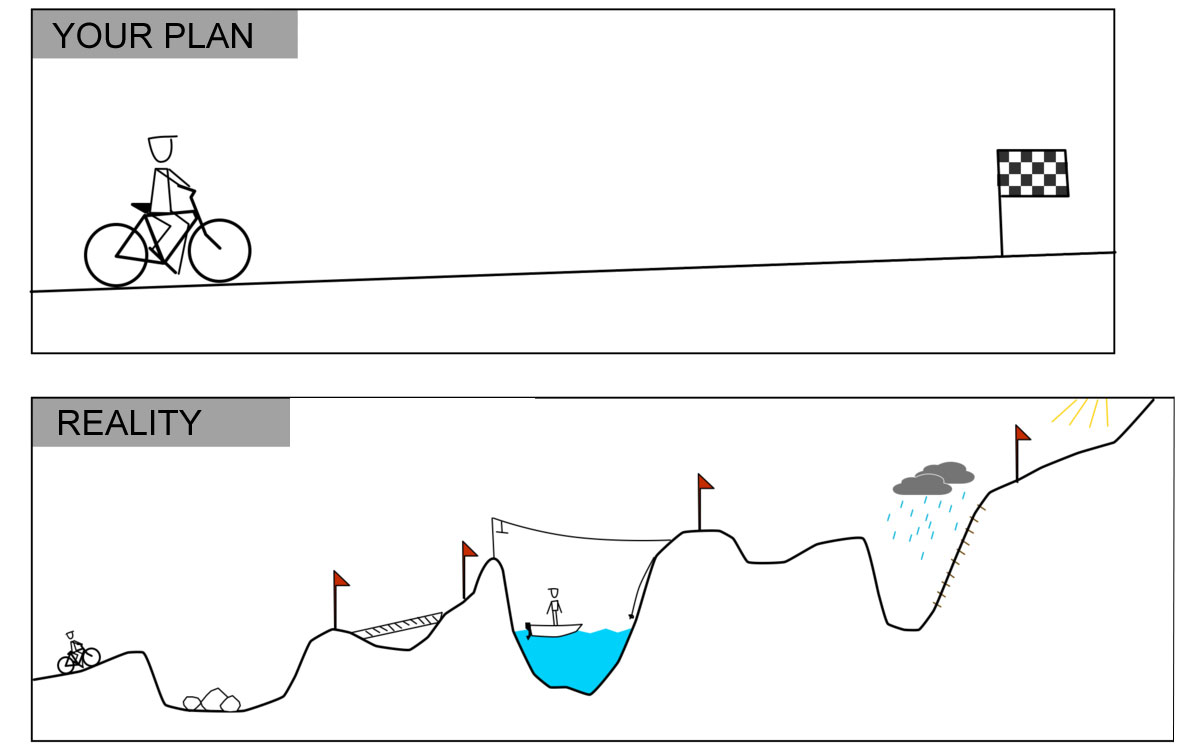
When James started treatment, my goal was pretty clear: I didn't want him to be allergic anymore. The allergy seemed the mountain to be conquered.

What I didn't know was how ill he had always been. Having been told, "this is normal," what I didn't hear is: "This is normal for him. This is not life threatening."

The food allergies were obviously not normal and obviously life threatening, so they became the enemy.

His health improvement was so fast and so nearly complete that it quickly became obvious that his previous struggles were not normal, not even normal for him. It became clear how completely they were affecting his daily quality of life. Since it had always been that way, none of us knew.

He had a brief, slight regression and seems to have recovered. I realized that his allergies were no longer the main mountain we were climbing.

I want to clarify our goals while seeing Dr. Li this month:
  • Can he maintain his gains (or improve more)?
  • Will he be able to maintain them even when eventually weaned from treatment?
  • Realistically, should we be planning on food challenges or should we be focusing on getting him healthy, without attempting to introduce the foods he's allergic to?
Protocol Update:

Currently James is taking:

  • Digestion Tea 2 (in tea form, not capsules. Most of the teas he takes are in capsules. There's one herb in the capsule version he cannot have, so he gets the drinkable version). We give 1/2 a packer of 6 different herbs mixed together in hot water twice a day
  • Shu Chuan Tea - 6 capsules twice a day
  • Shi Zhen Tea 1a - 6 capsules twice a day
  • Good Mood Tea - 5 capsules twice a day
  • Niu Bang Zhi (2 packets), Huang Bai (2 tsp), and Shi Zhen (1 capful) mixed together in his bath once a day
  • Cream 3vb once a day
His focus in treatment has shifted to focus more on his GI problems and keeping his skin clear.


Wednesday, June 8, 2016

Misdiagnosis


Allergies are particularly prone to misdiagnosis but, the truth is, as you can see in the infographic below, misdiagnosis is a common problem.

Part of this, I believe, is that doctors play the game of statistics. They are looking for the ordinary, what they see most frequently. In general, they get it right (19 out of 20 times). But, what if you are that one?

James was diagnosed by his first pediatrician with lactose intolerance, based on symptoms and statistics. Once he had that diagnosis, it was used by every doctor he saw to explain his frequent diarrhea and cramping. I was obviously not being careful enough with his diet. Eventually, I couldn't stand it anymore and removed all dairy, in all forms, from his diet and discovered for myself that lactose intolerance was not the problem.

Unfortunately, his gastrointestinal problems are returning. In talking to Dr. Li, explaining to her why he was misdiagnosed for so long, she said, "But of course you were careful enough!"

And truly, I was. Not that I can't make mistakes, but I didn't make nearly a decade of mistakes. I should have advocated, both for myself and for James, to get more testing and intervention sooner.

And honestly, I need to keep this in mind, because I am not convinced we have reached the end of his diagnostic tangles.
Adventist University of Health Sciences

Friday, May 20, 2016

Raw Truth

I wrote this last week.

I'm tired. A lot has nothing to do with James's protocol, but when life wears me down, it is an added "too much."

And, I worry. I worry that his health seems to be backsliding. He has improved so much since first starting with Dr. Li, but some of the old issues are starting to resurface - GI problems, complaining about breathing, tonsil stones.

And did I mention, I'm tired.

I'm frustrated that we can't successfully remove his antihistamines even though he's been down dosing since October.

Logically, I know he has been taking antihistamines for a decade. It's not surprising it would take some time to remove them.

But, I'm tired of his body being so sensitive and I'm tired of feeling like I'm playing whack-a-mole with problems.

And, that's my raw truth.

I let it sit. Posting on a low is tougher than posting on a high.

I had my consult today. I was reminded of what I already know: he has come so far. This is not a straight line treatment. His immune system is being rebuilt. There is progress he hasn't lost. Now, his treatment needs to change direction to support his digestion.


Am I still tired? A little. Would I like an easy solution? Hell yes!

But, what I have realized with a couple steps back health wise is that the progress made is precious. Even, dare I say it, enough. This is not to stay we're stopping. We're not done yet. But, I am going to stop looking at the endpoint as passing an oral food challenge. If he could eat all his allergens, but had daily hives and diarrhea - what is point?


Wednesday, April 20, 2016

Back to Camp


I had really hoped to skip camp this year. I had every reason to believe that not only would it not be necessary, but we could even stretch our visits out to a year, avoiding the expensive summer season.

Life laughs.

In addition to his atopies, James has Tourette Syndrome. It was, comparatively,  minor by the time we saw Dr. Li and had been for some months.

Since James has been reducing his medications (both Allegra and melatonin), his tics have increased exponentially. At 10 years old, his tics were bad enough that he asked to be medicated. He tried but the side effects to the medication were intolerable. His tics have increased to that point, perhaps beyond.

Dr. Li asked about increasing both Allegra and melatonin. I explained my hesitation at increasing either, but particularly Allegra. We will not e able to do any food challenges if we can't remove him from Allegra. She concurred and we met in the middle. His Allegra will remain the same, his melatonin will be increased. She is making a custom herbal formula for him. Hopefully, he will see some improvement. She asked him to try acupuncture locally, which I am in the process of arranging.

And, we are going back to camp.

Last year, I was in the position of advocated for camp and Darren and James were more reluctant. This year, they are the enthusiastic ones and I am ... worn. Darren and I spent a day re-arranging travel plans. We have a family trip scheduled, also Back East, for the week following camp. Planes needed to be changed, hotels booked, logistics figured out. But, it is done.

What I'm doing differently this year:

1. A full kitchen, not a microwave, mini-fridge, cook in the bathroom combo. I couldn't face that again this year.

2. Gulp. A red eye flight. We couldn't find anything else (using airline points). Anyone want to wager that this will be my 'never again' point next year?

3. Not make any plans of tourist things to do. What we see is fine, but, I found last year, James needs rest after acupuncture. Often, by the time he had the energy to go out and see, it was night. Not that there isn't a lot to see at night!

Tuesday, April 12, 2016

#100daysofFunFood

Some of you may remember this post about 100 days of happiness by my friend, Stacey. (Incidentally, Stacey has her own blog now, Chew the FATT). I was invited to participate in the 100 Days challenge this year - but what to do?


A photo posted by elle luna (@elleluna) on

What does every allergy mom do all the time anyway? Cooking!

I cook constantly, but honestly, I don't really enjoy it. I used to love to cook, but with a million substitutions and never knowing if something will work or not, it's a chore.

So, for 100 days, I am going to focus on fun food. For me, that means either playful or something I wouldn't normally attempt. I expect to fail, but hopefully, at the end of 100 days, I will have some new recipes and renewed enjoyment in the kitchen.

It starts next Tuesday. You can follow me on Instagram to see what I accomplish.

Monday, March 7, 2016

Protocol Update

Disclaimer: As always, this is one experience with Dr. Li's protocol. Each protocol is personalized. No generalizations to your own situation should be made. Thank you.

I have tried all sorts of options to organize James's protocol. So, I thought I would give you a glimpse into my fancy system as it stands now.


Eat your heart out, Martha Stewart!

I have been through several different pill sorting boxes and have outgrown them all. I have finally take to saving pill bottles and cream jars, labeling, and filling them. This box has a weeks worth of sorted pills and any open pill bottles. It lives on a shelf in the bathroom so James can help himself.


This is in my closet and is the unopened pills for two months. Our expenses are currently about $1000 a month.


This is a nightly pill container. I can tell it is for night time because of the Allegra poking out. His protocol from Dr. Li does not change pill wise from morning to night.

He is currently taking:

8 Mei Huang tea 5 Tea capsules 2 times a day
8 Shi Zhen Tea 1a Tea capsules 2 times a day
6 Shu Chuan Tea capsules 2 times a day
5 Mu Lian pills 2 times a day
5 Good Mood Tea capsules 2 times a day
1/2 an allegra once a day
2 tsp of Huang Lian in the bath, once a day
2 packets of Niu Bang Zi in the bath, once a day
Cream IIIVB, full body application, once a day

For James, the most exciting change has been dropping the cream from twice a day to once. I cannot describe how much he hates the cream.

For me, it has been inching closer to being able to remove Allegra entirely from his protocol. This month, Dr. Li asked us to hold steady at half a pill for a month (we had been dropping half a pill every other week). I have noticed that when he reduces the amount, he has seasonal allergy symptoms for a day or two after. This week was particularly bad and he was unable to sleep for a night. However, they resolve fairly quickly so I have to guess that it is his body adjusting to the lower dose of antihistamine. Assuming all goes well, he will no longer use antihistamines in the beginning of June and we will be able to schedule skin testing.

If you had told me when we got his blood test results  that it would be at least 7 months until he was able to have skin testing, I would have thought you were crazy. And, I am not going to lie and say that the waiting is easy. Every year between March and June, James has had a major flair of his hives. If he can get through this season successfully while reducing his antihistamines, it will be a huge victory.

So, we wait.

Friday, February 26, 2016

Tregs for the Rest of Us: Part 2 Vitamin A & D

Both Vit A and D are involved in the regulation of the immune system and inflammation of tissue. In order to be used by the body, they need to be modified by enzymes.

There are many different kinds of Tregs. for simplicity, I have not specified the types in this review.

Vit A Derivatives and Treg Function

For reference, a derivative is an analogous compound to the vitamin. A metabolite is a compound created in vivo. When I say Vit A (or D3) given to a patient, I am referring to derivatives. I specifically note when I am discussing metabolites.

Vit A can be a problem unless there is the proper level; both too much and too little is problematic.. A deficiency can cause a Treg imbalance (too much Th1 and not enough Th2). A different study showed that too much Vit A in vitro causes development of Th2 cells.

A metabolite of Vit A (ATRA) converts one type of T-cells into Treg cells (again, in vitro). The resulting Treg cells suppressed effector Tcells, particularly in intestinal epithelial cells.  ATRA is also able to prevent the conversion of Treg cells into inflammatory TH17 cells. This provided some protection in a colitis model. There is some evidence that probiotic bacteria and Omega-3 fatty acids affects the functioning of ATRA in the body.

Vitamin D3 Derivatives and Treg Function

UVB exposure as well as a topical Vit D3 treatment can lead to creation of Tregs on the skin. Supplementation has also shown to have a positive effect with brain inflammation and diabetes (in terms of increasing Tregs).

MS patients have lower levels of Vit D3 metabolites, suggesting that the Vit D3 metabolites have a role in controlling inflammation and Treg formation. There is a possibility as well that Vit D3 metabolites affect the stability of Tregs in diabetic patients, but more studies are need to clarify any role they have.

Vit A and Vit D Crosstalk to Maintain Immune Homeostasis

Vit Aand  Vit D's signaling receptors are interconnected. There are two cell signaling pathways which are the same for Vit A and D. These pathways use different macromolecules to signal for either Vit D or Vit A. This leads to the hypothesis that they are both involved in maintaining a healthy balance in the immune system.

My Thoughts

Although it is not uncommon to have Vit D levels checked in a person with allergies, I have not done so for James. We live in an area with a lot of sun and he is outside without sunscreen each day. I have not heard of people testing Vit A levels, although they might. He is offered (but doesn't always eat) a wide variety of fruits and vegetables. I do not give him a multivitamin.

Since too little Vit A skews to too much much Th1 and not enough Th2, one might think that a deficiency would be good for those with allergies. However, I, personally, would not withhold a vitamin in the hopes that it changes the immune system. Vitamins have other functions besides affecting the immune system and if you over-activate the Th1 arm, there are also serious consequences (pot meet fire).

If his levels are low, I would suspect an underlying issue (he can't process Vit D for some reason, not that he doesn't get enough). It is another thing that I may address when he is done with treatment.

Part One