Showing posts with label probiotics. Show all posts

Monday, February 1, 2016

Tregs for the Rest of Us: Part 1 Probiotics

Treg, or Regulatory T cells, have the job of regulating the immune system. Many treatments of allergies have been found to influence the Treg population (DBV's peanut patch, FAHF-2 (Chinese Herbal Medicine in trial with the same doctor James is seeing, OIT, and SLIT  (the SLIT research I found regarding Tregs was for environmental allergies, not food).

T cells are made in the bone marrow. Depending on chemical influences, a T cell, when made, will either become a Treg cell or a Teff (effector) cell. Everyone has both types of cells, but in different ratios. Increasing Tregs is a part of the puzzle on how to increase tolerance.

I ran across an article, "Influence of Dietary Components on Regulatory T Cells," from the Biotech Research and Innovation Centre in Copenhagen. Fair warning, it is dense. I've done my best to summarize it below, but if you find the information interesting, you should take a stab yourself.

It is a literature review, so there are many other articles referenced if there's an area you are particularly interested in and want to dig further.

Probiotics in the Gut


There are dendritic cells (a type of immune cell, not related to neurons) in the gut that help to balance immunity and tolerance. Dendritic cells can both activate effector T cells and promote non-inflammatory T cells, such as Treg. If Tregs are low in the gut, it can result in chronic inflammation.

With the exception of H. pylori (and the point of the experiment was to induce inflammation using H. pylori and then use Tregs to reduce it), all experiments reviewed showed a positive reaction of the intestinal disease with the use of probiotics.

Probiotics Outside of the Gut

Probiotics have been shown help with asthma, arthritis, and other inflammatory diseases. There needs to be more research on different organs to see how the Tregs in the gut can influence them.

It is important to note that different probiotics behave differently and some can be inflammatory. There appears to be evidence that different probiotics work with different dendritic cells in the gut and this may account for the differences.

Probiotic Caveats

Some studies have shown that probiotics can cause or contribute to inflammatory illnesses. The studies are not standardized, with different probiotics, doses, and type of administration. Additionally, genetics may play a role in the differing results. How any treatment behaves in vivo, with all the complications of an entire system can differ from results found in vitro.

There is the possibility that Tregs are increased simply by exposure to bacteria, and that any probiotic results are due more to the general bacteria load verses something special about any particular probiotic strain.

The data is not clear enough to allow a statement that all probiotics are protective.

My Thoughts - Or, the more I learn, the less I know

James does not take a probiotic, for a couple reasons. The first is that I would like some clarity that the probiotics available on the market are beneficial. The second is that he already takes so many pills (some of which have research to support that they affect Tregs) that I hesitate to add any more pills.

After he is weaned (someday) from Dr. Li's protocol, I will likely find a probiotic for him daily, under the "it can't hurt' philosophy.

Part 2


Monday, June 8, 2015

New Research, New Hope Part 3 #FARECon

Dr. Carrie Nagler and the Microbiome

Some Background Information


I took this course earlier this year at the recommendation of someone from the CHA FB group . It is now available to take at your own pace and I highly recommend it if you are interested in health. It did not focus only on allergies. One personal caveat - I felt like, at times, it glorified a primitive lifestyle, a modern take on the "noble savage." I have my own reservations about balance between modern life and health, but I do love my indoor plumbing.

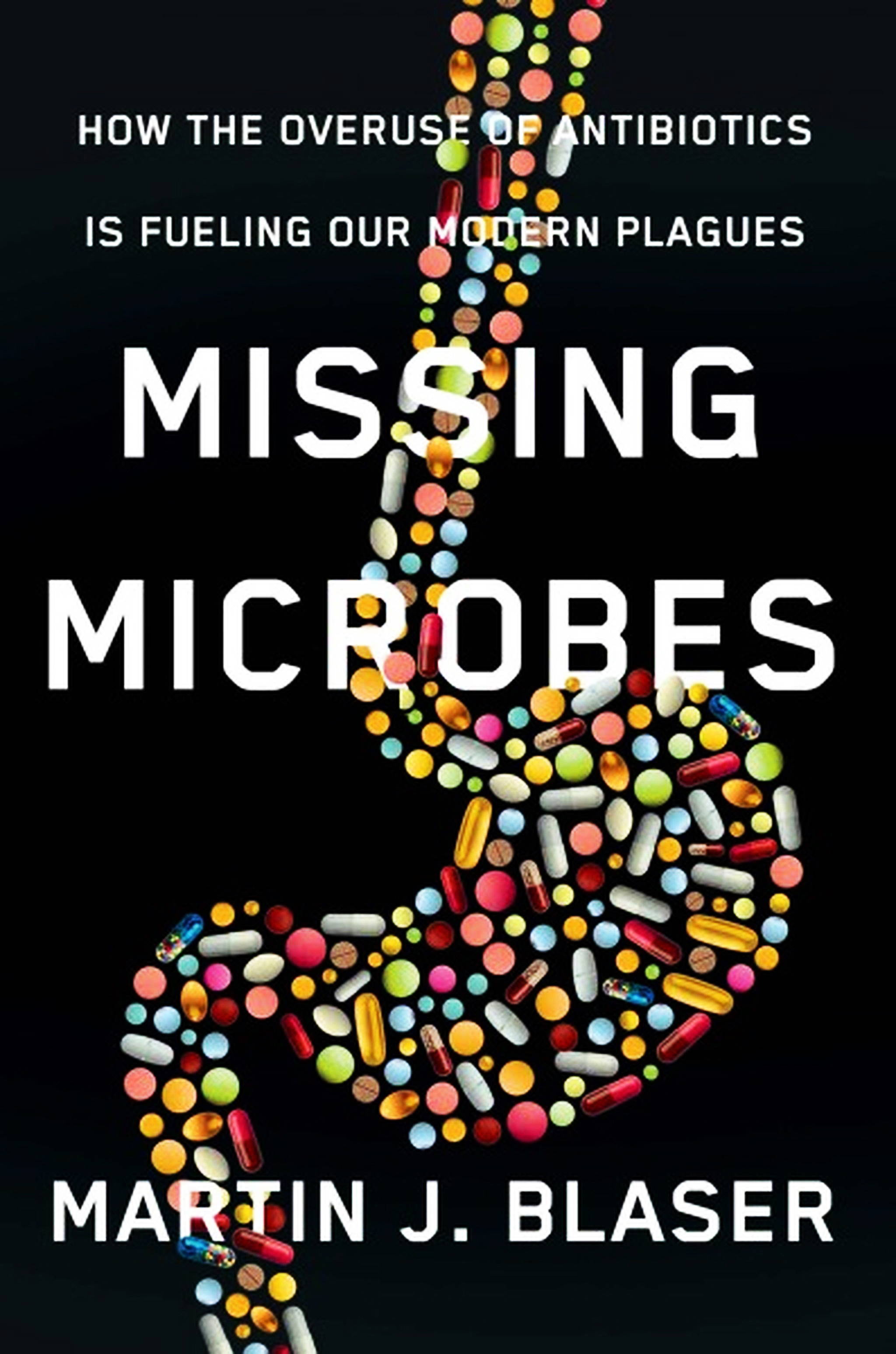
The Missing Microbe (affiliate link)


I myself have not read this book, but have had it recommended from multiple sources so it has risen on my rather long to read pile. Dr. Nagler recommended it in her lecture and The Gut Check Course I recommended above also recommended it.

Dr. Nagler's Talk


She is currently working with mouse models. When they give antibiotics, not only are microbiotics eliminated, but the peanut IgE rises. So, this leads them to the question: what microbes are protecting the mice or keeping the IgE low?

In the lab, the make germ free mice and chose two broad groups of microbiotics to test: Bacteroides, which are associated with digested food, and Clostridia, which is associated with the epithelial surface. They have found that Clostridia protects against the allergic response.

But how? And how can they be used?

What they have found is that Clostridia makes the cytokine IL-22, which plays a role in regulating the epithelium. The epithelium makes a protective barrier and IL-22 regulates production of mucous, the ability of the epithelium to proliferate, and the natural antibiotics made by the body help to protect the epithelium. Basically, it helps control intestinal permeability.

So, they gave an oral food challenge to three different groups of mice: one untreated, one treated with antibiotics, one treated with antibiotics and with IL-22, and one treated with antibiotics and Clostridia. The mice treated with antibiotics had higher than normal levels of peanuts allergen in their bloodstream after a food challenge. Those levels continued to rise. But, those who were treated with IL-22 or Clostridia had the allergen blocked from their bloodstream.

She has been collaborating with a university in Italy on a study on cow's milk allergic children, both identifying if they have a different microbiome from non-allergic children (they do) and developing a formula to help them gain tolerance. When the children who used the tolerance inducing formula had their microbiome compared to those who did not, those who gained tolerance had also gained Clostridia in their microbiome.

The next step is a pre-clinical model, taking fecal material from healthy children and cow's milk allergic children and put them into germ free mice, sensitize them with cow's milk, and then introduce different candidate drugs. They have three possible drugs they will try: a Clostridia based live biotherapeutics (which is already approved for IBD), identify and test pre-biotic fibers to expand butyrate producing Clostridia in vivo, and encapsulate butyrate in nano-formulations for targeted delivery to different sites within the gut.

Questions She Answered


1. There is no probiotic on the market that has been tested for food allergies now. They are mostly based on Lactobacillus (yogurt). The best thing you can do now for your microbiome is to eat a high fiber diet.

2. Try to limit your antibiotic use: get cultures before prescriptions, don't use antibiotic soap, try to eat antibiotic free food, etc.

3. Fecal transplants are not recommended for food allergies. They have not been proven safe for this condition for a variety of reasons.

My Thoughts


Having a child who has had (but has been better since starting with Dr. Li) lifelong digestive problems, I had a personal interest in Dr. Nagler's talk. James is not currently taking any probiotics (see the answer #1 under "Questions She Answered," which was also similar to the information I learned in the Gut Check class). If he needed to take antibiotics, I would have him take probiotics for the course and for some time after.

I plan to follow this study (as well as the work of Mimi Tang) and feel very fortunate I was able to hear her speak. I will reiterate, considering the audience, I'm disappointed that none of the speakers presented currently available treatment options.