Showing posts with label #FAREcon. Show all posts

Friday, June 12, 2015

New Research, New Hope Part 4 #FARECon

Rapid Suppression of Food Allergy by Dr. Finkelman

His Talk


He would like to use a rapid desensitization, a process which is currently most often used in patients who are allergic to a medication they need for a treatment, for food allergies. The idea behind rapid desensitization is that the patients are injected with increasing doses of the allergen every 30-60 minutes, starting with a dose that is too small to cause a reaction. In the case mentioned above (of a drug desensitization), the tolerance is temporary and the process can also be complicated by reactions, mild to severe.

Dr. Finkelman would like to develop an anti-IgE or an anti-FcεRIα antibody useful for rapid, permanent desensitization to all antigens. This would be a similar drug to  Xolair in function but he wants to improve on Xolair in the following ways: Xolair is slow acting, expensive, and does not work well in patients with high IgEs.

His lab began by injecting mice with an anti-mouse FcεRIα monoconol antibody (mAB). This resulted in a decrease in body temperature for the mice, which is an indication in mice of anaphlyaxsis. He then did rapid desensitization with the anti-mouse  FcεRIα mAB and was able to prolong sensitization to the anti-mouse FcεRIα mAB for 12 days after the initial rapid desensitization. 

The next step was to see if desensitizing mice using anti-mouse FcεRIα mAB would also result in a desensitization of any other allergens. So, they treated egg-allergic mice with the rapid desensitization method and did a food challenge and the mice were protected from their allergen. 

Dr. Finkelman's goal is to completely and safely suppress IgE mediated disease in under 24 hours.
He has five steps he says he needs to accomplish to meet that goal:

1. An anti-human FcεRIα mAB
2. Mice that have human mast cells or human FcεRIα on mouse mast cells
3. A food allergy model in mice that have human FcεRIα 
4. More rapid removal of IgE from mast cells
5. Back-up safety measures

They have already met steps one, two and four with trials using human FcεRIα on mouse mast cells and the  anti-human FcεRIα mAB. During these trials, they have been able to complete desensitization in less than 24 hours that lasts six days, but because of the expense of the antibody, they haven't had any longer trials.

They are still working on step three, making a food allergy model mouse. They do have a mouse currently that generate human mast cells, about 200 times the normal amount for a mouse, and human IgE. These would be a mouse equivalent for a human with mastocytosis.

In these mice, they have been able to achieve partial success with rapid desensitization. During the challenge portion, the mice have been desensitized still get sick, however they do not go into anaphylaxsis.

Dr. Finkelman said they are continuing to work on step five as well, trying a drug cocktail in addition to the anti-human FcεRIα mAB. With the mastocytosis mice, however, they continued to get sick, if not anaphylactic, so this is a portion they are still working on.

When the mouse studies are finished, they will need to test for safety and efficacy in monkeys prior to beginning a human trial.

During the question portion of the presentation, Dr. Finkelman was asked the dangers of removing nearly all of the IgE from the human immune system. His response was that this is something that is already been done, with Xolair patients, and in the Western world, as the risk from parasites was low, he did not believe it was a concern.

My Thoughts


When Dr. Finkelman said his goal was to suppress IgE-mediate diseases in 24 hours, my heart soared. How could it not? The path we are taking is years and here is someone, apparently not insane, who thinks that one day he will be able to travel the same path in 24 hours.

The thoughtfulness with which he laid out his research, he covered different variations, safety concerns, and went through step by step, impressed me.

That said, I think this may, one day, be an excellent choice for those most extreme cases of allergic conditions. Perhaps I am overly cautious of side effects, but as we have seen with Xolair, side effects continue to be found after the drug is approved. Xolair is amazing for those who need it, but not to be undertaken lightly. I feel the same will be true for this future treatment.

Secondly, I do wonder at the blasé response to the question of the IgE removal. IgE is not a vestigial organ like the appendix. It is true that we have few parasites in the Western world, however, people travel. 

For me, this treatment really boils down to need. If James had no other options and some allergic illnesses are that severe, it would sound amazing. With other options available, it sounds more like using a sledgehammer to kill a gnat.



Monday, June 8, 2015

New Research, New Hope Part 3 #FARECon

Dr. Carrie Nagler and the Microbiome

Some Background Information


I took this course earlier this year at the recommendation of someone from the CHA FB group . It is now available to take at your own pace and I highly recommend it if you are interested in health. It did not focus only on allergies. One personal caveat - I felt like, at times, it glorified a primitive lifestyle, a modern take on the "noble savage." I have my own reservations about balance between modern life and health, but I do love my indoor plumbing.

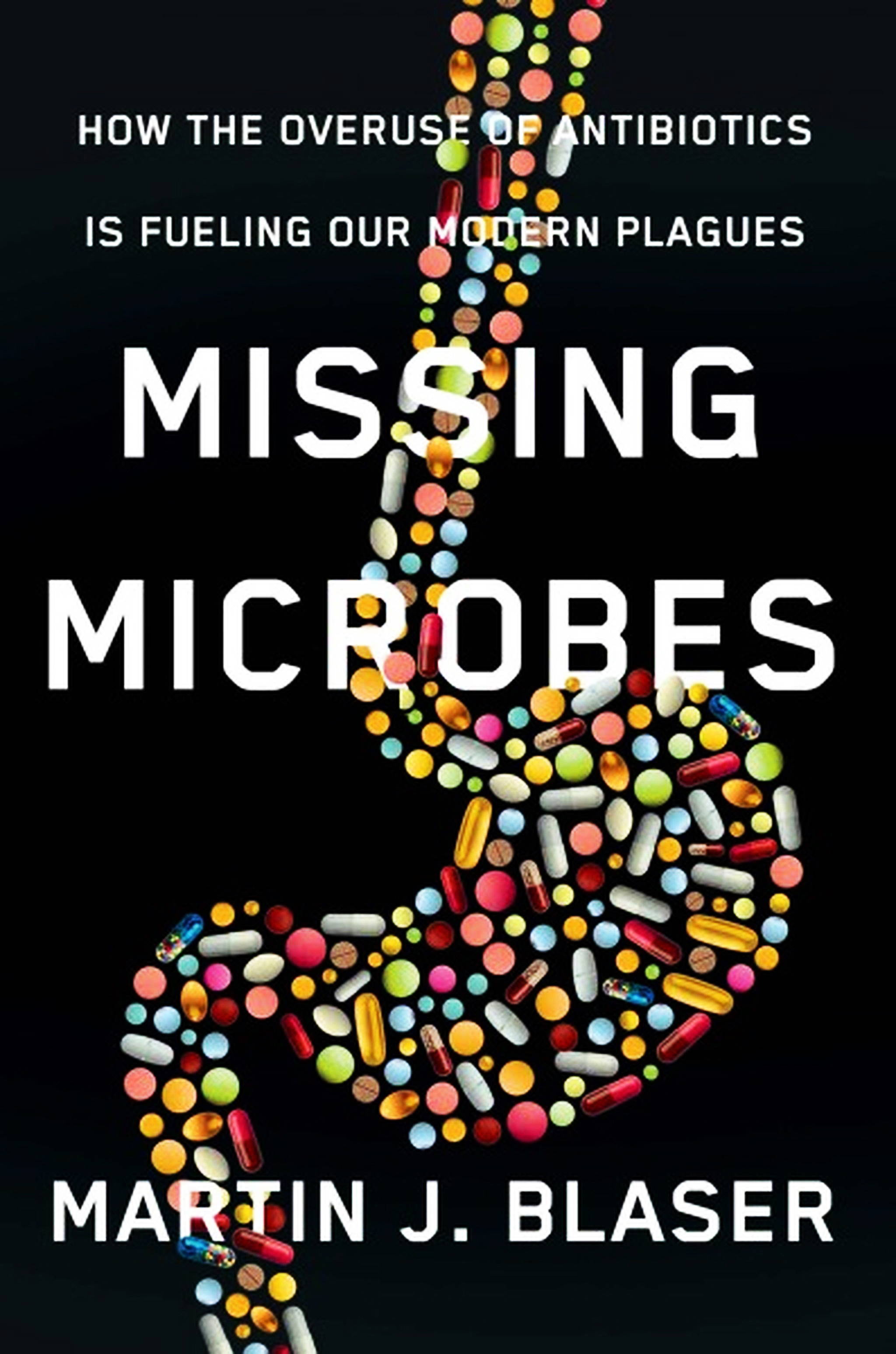
The Missing Microbe (affiliate link)


I myself have not read this book, but have had it recommended from multiple sources so it has risen on my rather long to read pile. Dr. Nagler recommended it in her lecture and The Gut Check Course I recommended above also recommended it.

Dr. Nagler's Talk


She is currently working with mouse models. When they give antibiotics, not only are microbiotics eliminated, but the peanut IgE rises. So, this leads them to the question: what microbes are protecting the mice or keeping the IgE low?

In the lab, the make germ free mice and chose two broad groups of microbiotics to test: Bacteroides, which are associated with digested food, and Clostridia, which is associated with the epithelial surface. They have found that Clostridia protects against the allergic response.

But how? And how can they be used?

What they have found is that Clostridia makes the cytokine IL-22, which plays a role in regulating the epithelium. The epithelium makes a protective barrier and IL-22 regulates production of mucous, the ability of the epithelium to proliferate, and the natural antibiotics made by the body help to protect the epithelium. Basically, it helps control intestinal permeability.

So, they gave an oral food challenge to three different groups of mice: one untreated, one treated with antibiotics, one treated with antibiotics and with IL-22, and one treated with antibiotics and Clostridia. The mice treated with antibiotics had higher than normal levels of peanuts allergen in their bloodstream after a food challenge. Those levels continued to rise. But, those who were treated with IL-22 or Clostridia had the allergen blocked from their bloodstream.

She has been collaborating with a university in Italy on a study on cow's milk allergic children, both identifying if they have a different microbiome from non-allergic children (they do) and developing a formula to help them gain tolerance. When the children who used the tolerance inducing formula had their microbiome compared to those who did not, those who gained tolerance had also gained Clostridia in their microbiome.

The next step is a pre-clinical model, taking fecal material from healthy children and cow's milk allergic children and put them into germ free mice, sensitize them with cow's milk, and then introduce different candidate drugs. They have three possible drugs they will try: a Clostridia based live biotherapeutics (which is already approved for IBD), identify and test pre-biotic fibers to expand butyrate producing Clostridia in vivo, and encapsulate butyrate in nano-formulations for targeted delivery to different sites within the gut.

Questions She Answered


1. There is no probiotic on the market that has been tested for food allergies now. They are mostly based on Lactobacillus (yogurt). The best thing you can do now for your microbiome is to eat a high fiber diet.

2. Try to limit your antibiotic use: get cultures before prescriptions, don't use antibiotic soap, try to eat antibiotic free food, etc.

3. Fecal transplants are not recommended for food allergies. They have not been proven safe for this condition for a variety of reasons.

My Thoughts


Having a child who has had (but has been better since starting with Dr. Li) lifelong digestive problems, I had a personal interest in Dr. Nagler's talk. James is not currently taking any probiotics (see the answer #1 under "Questions She Answered," which was also similar to the information I learned in the Gut Check class). If he needed to take antibiotics, I would have him take probiotics for the course and for some time after.

I plan to follow this study (as well as the work of Mimi Tang) and feel very fortunate I was able to hear her speak. I will reiterate, considering the audience, I'm disappointed that none of the speakers presented currently available treatment options.


Monday, June 1, 2015

New Research, New Hope Part 2 #FAREcon

A Peanut Vaccine


Notes from Dr. Baker's Presentation 


Vaccines produce a Th2 response, through their adjuvant, usually alum. Alum is an aluminum powder that's inflammatory. It wakes up the immune system and tells it to respond. The inflammation and soreness at the injection site is caused by alum.


The concern is that, since alum produces a Th2 response, could it cause allergies. He said he did not think so however, a different type of adjuvant that produced other types of T-cell responses, ones turn off the Th2 (allergic) response are needed.


One of the things they are doing in his lab is producing other kinds of adjuvants, one that produces a Th17 response. Th17 regulates or turns off the allergic response. Eventually, they want to make a vaccine for food allergies. Their vaccine involves nano scale oil droplets. They put the allergen or vaccine in the oil droplets and then put them on the surface of the nasal mucosa. The droplets penetrate the surface and produce an immune response. Using a green marker, they can see that the vaccine penetrates the nose and go throughout lymph nodes as well.

His work so far has been with the RSV vaccine. It particularly has had problems when used with alum because the alum can cause an allergic response to the virus. Some died in the 1960s when they got infected, because the vaccine induced an allergic response to the virus.

His question was: can they produce a more protective immune response and turn off the allergic response using the nano emulsion vaccine. In mouse trials, they had three group exposed to the RSV virus: with the nano-emulsion vaccine, a standard alum adjuvant, and no vaccine. Animals given the alum vaccine had eosiniphils (associated with allergies) in their blood, but no neutrophils or macrophils, The nano-emulsion group had no eosiniphils but had monocytes associated with a Th17 reaction, showing a priming of the regulatory reaction and a driving away from an allergic reaction.

Now they are doing work in mice to try to immunize food allergic mice with the allergic food in the nano-emulsion.

A Little History


A "peanut vaccine" has been in trial before by Dr. Wood et al. It was administered rectally and was not a success. 20% of the subjects had severe allergic reactions despite the vaccine.

Dr. Li et al are also investigating a peanut vaccine. It looks promising but the trials are also in mice currently, not people.

There may be other trials I am unaware of.

My Thoughts


People think that fear of vaccines is a modern issue. However, there has been a fear of vaccines since Edward Jenner first inoculated against smallpox. I don't really want to make this a general vaccine issue, but I will say regarding a food allergy vaccine, I understand the fear of those first parents who had their children vaccinated. 'You want to take something that could kill my child, and put it directly into my child.'

It relates very directly to my fear of roller coasters. In a very general way, I understand the science. I can even explain some of the processes. In the case of the roller coaster, given enough time, I could likely solve some of the equations to prove I won't die.

But, at a gut level, it still seems to be magic.


Friday, May 29, 2015

New Research, New Hope Part 1 #FAREcon


CDC. HIV Surveillance Report,2013; vol. 25. Published February 2015.
+Case Fatality and Population Morality Associated with Anaphylaxis in the United StatesJ Allergy Clin Immunol. 2014 Apr; 133(4): 1075–1083. (includes deaths due to anaphylaxis from any cause)

Dr. Baker began his introductory comments comparing the food allergy epidemic with the AIDS epidemic. I understand the analogy, but I also found it offensive. Obviously, I feel passionately about food allergies. I can feel passionately about food allergies and compassionately for people fighting other battles. I also know well the struggle with anxiety that people with food allergies face. And, to catastrophize food allergies raises the often high anxiety of people's real stress learning to manage food allergies. 

Every life lost, in both column, is a tragedy. 


Dupilumab


The first treatment that Dr. Baker spoke of, it's currently in trials for eczema and asthma and has good results so far. 

As a basic review (forgive my simplification), the portion of the immune system that regulates the immune system is Th2 (stands for T-helper). And when TH2 cells are activated, there are (scientific jargon coming) a whole mess of proteins they can release. Two of these are IL-4 and IL-13 (IL=interleukin, which is not nearly as easy to remember as T-helper. Dupilumap was developed to block the release of IL-4 and IL-13.

Dr. Baker spoke hopefully of the possibility that Dupilumab would be useful for people with food allergies as it's original trial was for eczema and it was found to improve asthma. Additionally, it seemed to block the atopic march.

He stated that for the six months it has been trialed, it has been shown to be safe, with the people in the placebo group to have had greater side effects, from their uncontrolled eczema and asthma. 


My thoughts


For many people with allergies, eczema and asthma are an enormous problem, if not a greater problem. I well remember the impact of sleepless nights from when James had hives. I can only imagine uncontrolled eczema, the fear of infection, the itching, and the pain. Hopefully, this will offer relief for those people who have tried everything and cannot find it.

To present this first, and seemingly as the best hope, for people with food allergies when not a single piece of data has been collected regarding food allergies seemed odd. It's data I agree, I would love to see. In a conference, where parents have come to get "New Hope," I'm concerned it may have been putting the cart before the horse to suggest that this will provide a cure. In my first post, I analyzed three different food allergy treatments currently being used, in private practice and in trial. I could have added more. 

And always, I was concerned about the six months of safety data. That, of course, is the risk/benefit analysis that we as parents, as people, as patients have to make every time we choose to take (or not) a medication. 


Part 2: The Peanut Vaccine

Monday, May 18, 2015

Clinical Trial vs Private Treatment #FAREcon


I had the privileged of volunteering at the FARE National Food Allergy Conference this past weekend, which allowed me to attend many fantastic presentations. Over the next few blog posts, I will summarize some of the research presented.

Out of my swirling my, one fact stood out. Dr. Baker, the CEO of FARE stated that the FDA had told DBV, the maker of the Viaskin Peanut Patch and ARC, the maker of CODIT, that they each needed studies of 8,000 people in order to get approval of their products.

8,000!

Staggering.

The LEAP Study, which was fairly widely commended for its size had 640 infants enrolled. In 2014, DBV announced results of its IIb study, "the largest clinical trial in peanut allergy desensitization ever completed" - 221 patients.

How will they ever get 8,000 patients each?

Why We Chose Private Practice

We briefly considered enrolling in a clinical trial. James qualified to be evaluated for a clinical trial for OIT to wheat at Stanford. My husband, in particular, was interested in considering this route. So, why did we decide against it?

  1.  As I shared in my first post, we chose a different treatment. My husband, like many, had heard of OIT through the news. The trial, for us, opened the conversation, but OIT was not the right treatment for our family. I would not recommend choosing a treatment only because a trial is available.
  2. We would have had to travel to Stanford every other week, for two years, about a 6-7 hour drive. Unless you think no one would ever be willing to do this, you should read this article of people who did a drive of the same time for the same reason.
  3. The placebo. I will admit that I didn't want the risk of James being administered the placebo. We were told upfront that we would be offered what they could at the end of the trial for treatment. I don't know what that means, because I did not investigate the trial any further.

Benefits of a Clinical Trial

  1. You have access to some of the best medical care and minds. 
  2. You have access to treatments and testing that aren't yet available outside of trials.
  3. You are helping to advance science and the community as a whole.

8,000 Patients

I have so much respect and appreciation for those families that do participate in clinical studies. Despite the perception that it is "free," because they don't pay for the medicine, the saying, "there is no free ride," certainly applies - time off for appointments, traveling, stress, emotional wear and tear. Thank you.