Showing posts with label clinical trial. Show all posts

Monday, September 14, 2015

Compliance


One of my favorite tweets that came out of the American Academy of Allergy, Asthma, and Immunology conference this year. It arose as a reaction to an abstract  with a negative result. That is, the placebo group improved more than the treatment group. People often don't publish their results when they are negative, so this took a certain amount of courage (and is how science should proceed). The conclusion form the study is: "FAHF-2 is a safe herbal medication for food allergic individuals and shows favorable in vitro immunomodulatory effects; however, efficacy for improving tolerance to food allergens is not demonstrated at the dose and duration used." Emphasis is mine.

A theme in "curing" food allergies is that researchers are skilled at curing mice. It's the (murine to human) jump that can be a hurdle. But why?


Mice are controllable


Everyday, the mice in these studies all eat the same food. They don't go out with friends and get sick. They never miss a dose. Their stress level is controlled. As is their exposures allergens, both food and environmental. But, we are dosing a person with all the unpredictability that implies.

James's Record


As a person goes, James is compliant. He hardly ever misses a dose. He complains vehemently about the cream, but still applies it twice a day. But, other factors still come into play.

Stress

James is a perfectionist and puts himself under a vast amount of stress. In theory, I could lower his stress exposure, but the cost would be his maturing as a person.

Diet

Almost all of our meals are local and organic, but James loves snacks and pretty much snacks as a normal teenager (chips, candy, etc). 

Life

We have one. There are times when pills get forgotten, when he gets home late and puts on his cream without a shower, or has to be somewhere early and misses his bath.

Keeping up enthusiasm


Reviewing his progress

One of the benefits of going to NYC this summer was reviewing his improvements since he has started treatment. We were moving day to day and not taking time to reflect.

Not having hives anymore has also been a huge boost. He has a daily reminder, physically, that the treatment is working.

Sharing others progress

When people share their results in the CHA FB group, I share with him. I did this prior to him starting treatment as well. His own blood work won't be for another month, so hearing about others improving boosts his morale.

Not making a big deal

At fist, it seemed huge, insurmountable really as the number of pills he was taking kept going up. But now, it is routine. I tell him if he's had a change in protocol, but don't focus on it being hard or too much. It just is.

Whatever your treatment, have you had compliance issues? And how did (or do you) deal with them?


Monday, August 24, 2015

How I Read a Scientific Paper

"A research problem is not solved by apparatus; it is solved in a man's head." Charles F. Kettering


I'm using a case report from Dr. Li as an example, because it's openly available on-line. The analysis is slightly different than it would be for other research papers, because it is a case report. Instead of asking a question and doing an experiment, they are retrospectively reporting on patients. Where possible, I've included what I would do differently with a different type of study.

Print it


You may not want to print it, but I do recommend having on a device you can take notes on. Highlight and look up all the words you don't know. This may be a lot. That's okay. You can't understand the paper without the work.

Identify the Authors


In this case, I was already familiar, so there was no need. But, if you are not, find out where the authors are from and, for that matter, what journal is publishing the paper. Not all sources are equally valid. Reading a scientific paper can be a commitment. Make sure you are reading something worth your time. 

Skip the Abstract


Often, all I have access to is the abstract. When possible, try to leave the abstract to the end so you don't become biased.

Introduction


This paper doesn't have one. If it did, read and decide, 'what is the question being asked.' Also, ask yourself, "does there seem to be an agenda here?'

My summary of the case report: 

Although the case report doesn't have an introduction, there is still an implied question: "Does TCM work for FSFA (frequent, severe food induced anaphylaxis) patients?" I do think there is something of an agenda. By design with case reports, supportive cases will be selected (this is the purpose of a case report).

Summarize briefly the background


My summary of the case report: 

Treatments are needed for those with FSFA (severe food-induced anaphylaxis) as avoidance is not working. TCM has been studied for treating food allergies, both in mice and in Phase I clinical trials. This study looks at the success of the treatment of three children with FSFA.

Summarize the Approach


My summary of the case report: 

The investigators will present data showing that TCM helped three FSFA patients.

Read the Methods 


Take your time with this, so you truly understand what the researchers are doing. I find a mind map helpful at this point.

My summary of the case report:

If you click on the mind map, it will be larger and easier to read.


Case Presentation (usually the results section)


Write a paragraph or two to explain the results. A lot of information is buried in the charts and graphs. It can be difficult to understand. Again, wrestle with it a bit because the charts and graphs are the visual summary of all the words.


My summary of the case report (you can see these are notes and largely informal):

Case 1:

13 yo milk allergic patient who had >100 reactions in the 2 years before starting TCM, 50 of which required epinephrine. She had frequent and severe reactions, from inhalation, contact, and trace ingestion, impacting her QOL. She used all 4 TCM remedies described, as well as acupuncture and Fructus Arctii Lappae. She has 16 reported allergic reactions in year 1, 6 requiring epinephrine. She had 4 reported reactions in year 2, 1 requiring epinephrine. In the first 6 months of her 3rd year, she has had no reactions. 

Case 2:

16 yo tree nut allergic patient, diagnosed at 13 yo, who had 30 severe reactions in the 2 years before starting TCM (requiring 34 epinephrine doses). She reacted from contact, inhalation, and trace ingestion. QOL so impacted she developed anxiety/depression. She followed the same protocol as patient 1 (not clear to me: also Fructus Arctii Lappae? acupuncture/acupressure?). She had only 2 mild allergic reactions in year one and passed a tree nut challenge at the end of the year. Treatment was discontinued. E-mail communication continued for 6 more months and patient 2 was able to continue eating tree nuts.

Case 3:

9 yo peanut/tree nut allergic patient, diagnosed at 7 yo, who developed more food allergies after diagnosis. He had approximately 400 reactions in the 2 years before starting TCM, 5 of which required epinephrine. He reacted from inhalation, contact, and trace ingestion. His QOL was impacted; he had chronic stomach pains, headaches, and a sleep disorder. He received the same herbs as Patients 1 & 2, but in decreased amounts due to his age. He also had monthly acupuncture. Patient 3 started in June 2013, so there is only 7 months of data. In the first 7 months, he had 13 allergic reactions, 1 of which required epinephrine. His stomach discomfort, headaches, and sleep disorder resolved.

A summary of the results section would look much different if this was not a case study. Here are some things to look for: how big is the study? do I understand the statistics, graphs, and lingo (do you know what a p value is, or the purpose of an error bar? There are certainly more examples. These are results I found simply by googling and you can understand the text more with a basic understanding of the numbers behind it). Do the researchers answer the question they set out to answer?

Discussion

What does the researcher think their paper shows? Do you agree? Do they find fault with their study? Do you? What is the next step they propose? Do you agree?

My summary of the case report:

What the researcher thinks: These three cases represent three cases of extremely severe food allergies. The food allergies were improved using TCM. The compliance, based on the self-reporting, of these three cases to the protocol was excellent in contrast to a previous, broader study.

Faults in they find: # of cases, relying on memory and knowledge of parents for reporting.

Next Step they propose: clinical studies, ramdomized trials, as well as testing the individual treatments to see if each of the 3 were required.

My thoughts: I would additionally like to see longer term studies. Having a reporting system would minimize reporting errors.

Return to the Abstract

Now, return to the abstract. Does is match with what is written in the paper?

My summary of the case report:

Yes, it matches

Rabbit Trails

Were there any papers cited in the article that you wanted to follow up with?

My summary of the case report:

I was particularly interested in this statement: "In, addition, acupuncture has been reported to reduce wheal size following allergen skin tests and to reduce basophil activation in individuals with atopic dermatitis [24,25]."

Secondly, I wanted to follow up on this: "A recent large cohort study reported that although 80.7% of food allergy reactions were triggered by ingestion, 12.9% were triggered by skin contact, and 1.2% by inhalation [6]."

And finally, I want to look into a couple papers on MCAD: "Both primary and idopathic MCAD usually have no objective evidence of food specific IgE allergy by ImmunoCAP® and percutaneous testing, which distinguishes them from IgE-mediated hypersensitivity reactions, a form of secondary MCAD [36, 37]."

So, this one paper leads to five more to look up.

Monday, June 8, 2015

New Research, New Hope Part 3 #FARECon

Dr. Carrie Nagler and the Microbiome

Some Background Information


I took this course earlier this year at the recommendation of someone from the CHA FB group . It is now available to take at your own pace and I highly recommend it if you are interested in health. It did not focus only on allergies. One personal caveat - I felt like, at times, it glorified a primitive lifestyle, a modern take on the "noble savage." I have my own reservations about balance between modern life and health, but I do love my indoor plumbing.

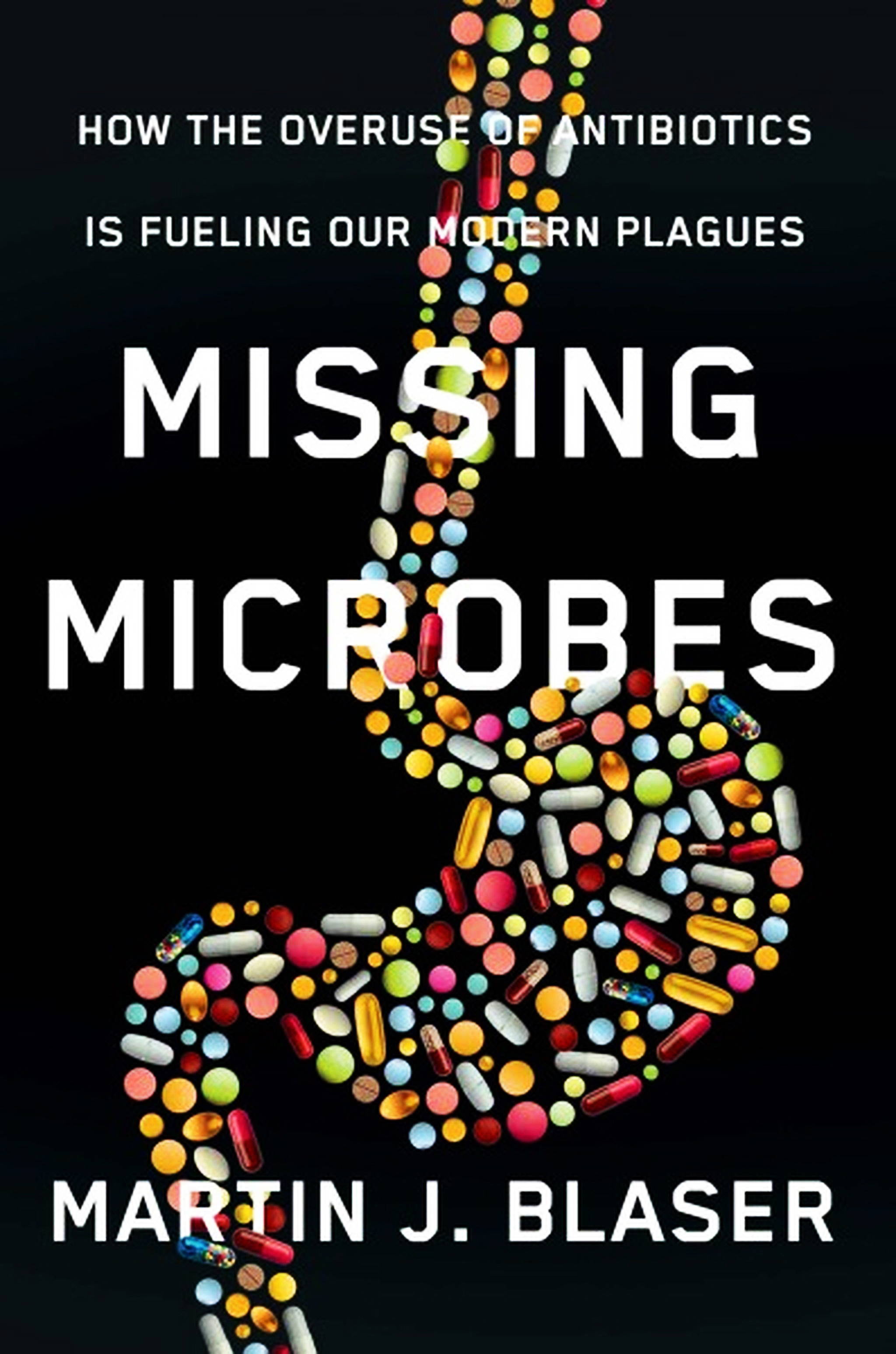
The Missing Microbe (affiliate link)


I myself have not read this book, but have had it recommended from multiple sources so it has risen on my rather long to read pile. Dr. Nagler recommended it in her lecture and The Gut Check Course I recommended above also recommended it.

Dr. Nagler's Talk


She is currently working with mouse models. When they give antibiotics, not only are microbiotics eliminated, but the peanut IgE rises. So, this leads them to the question: what microbes are protecting the mice or keeping the IgE low?

In the lab, the make germ free mice and chose two broad groups of microbiotics to test: Bacteroides, which are associated with digested food, and Clostridia, which is associated with the epithelial surface. They have found that Clostridia protects against the allergic response.

But how? And how can they be used?

What they have found is that Clostridia makes the cytokine IL-22, which plays a role in regulating the epithelium. The epithelium makes a protective barrier and IL-22 regulates production of mucous, the ability of the epithelium to proliferate, and the natural antibiotics made by the body help to protect the epithelium. Basically, it helps control intestinal permeability.

So, they gave an oral food challenge to three different groups of mice: one untreated, one treated with antibiotics, one treated with antibiotics and with IL-22, and one treated with antibiotics and Clostridia. The mice treated with antibiotics had higher than normal levels of peanuts allergen in their bloodstream after a food challenge. Those levels continued to rise. But, those who were treated with IL-22 or Clostridia had the allergen blocked from their bloodstream.

She has been collaborating with a university in Italy on a study on cow's milk allergic children, both identifying if they have a different microbiome from non-allergic children (they do) and developing a formula to help them gain tolerance. When the children who used the tolerance inducing formula had their microbiome compared to those who did not, those who gained tolerance had also gained Clostridia in their microbiome.

The next step is a pre-clinical model, taking fecal material from healthy children and cow's milk allergic children and put them into germ free mice, sensitize them with cow's milk, and then introduce different candidate drugs. They have three possible drugs they will try: a Clostridia based live biotherapeutics (which is already approved for IBD), identify and test pre-biotic fibers to expand butyrate producing Clostridia in vivo, and encapsulate butyrate in nano-formulations for targeted delivery to different sites within the gut.

Questions She Answered


1. There is no probiotic on the market that has been tested for food allergies now. They are mostly based on Lactobacillus (yogurt). The best thing you can do now for your microbiome is to eat a high fiber diet.

2. Try to limit your antibiotic use: get cultures before prescriptions, don't use antibiotic soap, try to eat antibiotic free food, etc.

3. Fecal transplants are not recommended for food allergies. They have not been proven safe for this condition for a variety of reasons.

My Thoughts


Having a child who has had (but has been better since starting with Dr. Li) lifelong digestive problems, I had a personal interest in Dr. Nagler's talk. James is not currently taking any probiotics (see the answer #1 under "Questions She Answered," which was also similar to the information I learned in the Gut Check class). If he needed to take antibiotics, I would have him take probiotics for the course and for some time after.

I plan to follow this study (as well as the work of Mimi Tang) and feel very fortunate I was able to hear her speak. I will reiterate, considering the audience, I'm disappointed that none of the speakers presented currently available treatment options.


Friday, May 29, 2015

New Research, New Hope Part 1 #FAREcon


CDC. HIV Surveillance Report,2013; vol. 25. Published February 2015.
+Case Fatality and Population Morality Associated with Anaphylaxis in the United StatesJ Allergy Clin Immunol. 2014 Apr; 133(4): 1075–1083. (includes deaths due to anaphylaxis from any cause)

Dr. Baker began his introductory comments comparing the food allergy epidemic with the AIDS epidemic. I understand the analogy, but I also found it offensive. Obviously, I feel passionately about food allergies. I can feel passionately about food allergies and compassionately for people fighting other battles. I also know well the struggle with anxiety that people with food allergies face. And, to catastrophize food allergies raises the often high anxiety of people's real stress learning to manage food allergies. 

Every life lost, in both column, is a tragedy. 


Dupilumab


The first treatment that Dr. Baker spoke of, it's currently in trials for eczema and asthma and has good results so far. 

As a basic review (forgive my simplification), the portion of the immune system that regulates the immune system is Th2 (stands for T-helper). And when TH2 cells are activated, there are (scientific jargon coming) a whole mess of proteins they can release. Two of these are IL-4 and IL-13 (IL=interleukin, which is not nearly as easy to remember as T-helper. Dupilumap was developed to block the release of IL-4 and IL-13.

Dr. Baker spoke hopefully of the possibility that Dupilumab would be useful for people with food allergies as it's original trial was for eczema and it was found to improve asthma. Additionally, it seemed to block the atopic march.

He stated that for the six months it has been trialed, it has been shown to be safe, with the people in the placebo group to have had greater side effects, from their uncontrolled eczema and asthma. 


My thoughts


For many people with allergies, eczema and asthma are an enormous problem, if not a greater problem. I well remember the impact of sleepless nights from when James had hives. I can only imagine uncontrolled eczema, the fear of infection, the itching, and the pain. Hopefully, this will offer relief for those people who have tried everything and cannot find it.

To present this first, and seemingly as the best hope, for people with food allergies when not a single piece of data has been collected regarding food allergies seemed odd. It's data I agree, I would love to see. In a conference, where parents have come to get "New Hope," I'm concerned it may have been putting the cart before the horse to suggest that this will provide a cure. In my first post, I analyzed three different food allergy treatments currently being used, in private practice and in trial. I could have added more. 

And always, I was concerned about the six months of safety data. That, of course, is the risk/benefit analysis that we as parents, as people, as patients have to make every time we choose to take (or not) a medication. 


Part 2: The Peanut Vaccine

Friday, May 22, 2015

Fear and Hope, James's Perspective

James is participating in a Read-A-Thon on Tuesday, started by a remarkable young woman who is in a peanut clinical trial. Technically, the Read-a-Thon is Monday, but we will be enjoying the company of our family. On Tuesday, we will be enjoying the quiet of our car on the way home, perfect for long stretches of reading.

I asked him to write the description on his page, answering the question as to why raising money for food allergy research is important.


Having anaphylaxis used to truly scare me, every day, all the time. I wondered why people couldn’t just create nutritional pills to give you your food. That would have already made me feel ten times safer than the alternative of eating regular food. But now I’m getting allergy treatment with Dr Li and I’m very thankful for it because worrying isn’t as much a big part of my life as it used to be. I can feel safe about about eating things I’m familiar with because I know the treatment will at least keep me from getting any serious reactions.

I didn't edit anything he wrote, so I want to be clear, the number of food allergies hasn't decreased. He is eating a wider diet because he isn't scared.

To be scared of food. To have a child scared of food. It's a heavy burden.

Obviously, James is in treatment with the goal of more than freedom from fear. But, when we started treatment, we told him, "This may not be a cure. At the end, you may not be be able to eat your allergens. If we do this, what is the least that you will be satisfied with?"

"I don't want to be afraid anymore."

This is why more research is needed. People should not be afraid to eat.

Monday, May 18, 2015

Clinical Trial vs Private Treatment #FAREcon


I had the privileged of volunteering at the FARE National Food Allergy Conference this past weekend, which allowed me to attend many fantastic presentations. Over the next few blog posts, I will summarize some of the research presented.

Out of my swirling my, one fact stood out. Dr. Baker, the CEO of FARE stated that the FDA had told DBV, the maker of the Viaskin Peanut Patch and ARC, the maker of CODIT, that they each needed studies of 8,000 people in order to get approval of their products.

8,000!

Staggering.

The LEAP Study, which was fairly widely commended for its size had 640 infants enrolled. In 2014, DBV announced results of its IIb study, "the largest clinical trial in peanut allergy desensitization ever completed" - 221 patients.

How will they ever get 8,000 patients each?

Why We Chose Private Practice

We briefly considered enrolling in a clinical trial. James qualified to be evaluated for a clinical trial for OIT to wheat at Stanford. My husband, in particular, was interested in considering this route. So, why did we decide against it?

  1.  As I shared in my first post, we chose a different treatment. My husband, like many, had heard of OIT through the news. The trial, for us, opened the conversation, but OIT was not the right treatment for our family. I would not recommend choosing a treatment only because a trial is available.
  2. We would have had to travel to Stanford every other week, for two years, about a 6-7 hour drive. Unless you think no one would ever be willing to do this, you should read this article of people who did a drive of the same time for the same reason.
  3. The placebo. I will admit that I didn't want the risk of James being administered the placebo. We were told upfront that we would be offered what they could at the end of the trial for treatment. I don't know what that means, because I did not investigate the trial any further.

Benefits of a Clinical Trial

  1. You have access to some of the best medical care and minds. 
  2. You have access to treatments and testing that aren't yet available outside of trials.
  3. You are helping to advance science and the community as a whole.

8,000 Patients

I have so much respect and appreciation for those families that do participate in clinical studies. Despite the perception that it is "free," because they don't pay for the medicine, the saying, "there is no free ride," certainly applies - time off for appointments, traveling, stress, emotional wear and tear. Thank you.