Disclaimer: This content is not intended as medical advice. .As always, contact your allergist or medical professional with any medical questions you may have and follow the medical advice they give. This is simply our experience.
It's been two months since James passed his soy challenge. The directions we were given were to make sure he consumed soy 2-4 times a month. According to this article, about one third of patients do not regularly consume their former allergens after passing an oral food challenge. This matters because to avoid a recurrent allergy, the research says one needs to regularly consume the former allergen.
The nurse asked why we even challenged soy, since it is an issue to keep it in the diet for most (soy lecithin, soy bean oil, soy sauce all do not count because they are low in protein. Many who are allergic can eat soybean oil and lecithin.). For James to know that he will not react if he has soy (and he has had an accidental soy ingestion before), it was worth it. My husband would say it was worth it to have regular soy sauce (and hopefully, eventually, eat in real Chinese restaurants). It is something I think one should keep in mind before challenging a food. Is it worth it?
This is not a question the allergist discussed with us. He knew we were motivated. But, the reintroduction has not gone smoothly. During the challenge, James complained of stomach upset, but everyone thought it was from the amount of liquids he was drinking to wash away the taste of the soy milk. However, he has continued to have stomach upset and/or pain on consuming soy. He did not want to give up, so we have kept trying.
Forms we tried:
Tofu: James liked it the first time until he asked me what it was. When he heard it was fermented soybean, he said he felt sick. The next time, he adamantly stated he didn't like it at all. Orange Glazed Tofu and Hawaiian Tofu BBQ Bowls
Edamame: I personally love edamame with a little bit of sea salt. James said if he had to, he could swallow them like pills. Taking all those pills per day is coming in handy.
Roasted edamame: I thought they tasted like dirt. James said he could eat them if he was really hungry.
Soy Milk: Tried at the food challenge, never again.
Edamame Guacamole: This was a maybe. I need to play with the recipe a little more. I really jsut made guacamole and added in edamame.
Chocolate and Roasted Edamame Toffee: Darren and I liked it. James did not.
Soy Protein Cookies: made with sunbutter, very dry, used soy protein powder
Hot Cocoa with a teaspoon of soy protein powder in it: James said this taste foul and I believe him. It smelled foul.
And, finally success with;
Nestle's Chocolate Chip Cookies
I read here that you can replace 1/3 of the flour in a recipe with protein powder. So, I did. Now, it's been a long time since I have made wheat chocolate chip cookies, but none of us could taste any soy. They were delicious. And, he didn't get any stomach upset.
The biggest problem is that he has to eat 6 1/2 cookies to get a similar amount to what he had at the challenge. Well, this isn't a problem for him! I am going to try recipes that are slightly more healthy - muffins, pancakes, etc - and hope that this is the solution we are looking for.
My thoughts:
Allergists are always eager to broaden the diet and for good reason. Although James is considered tolerant now, he is not as tolerant as I expected. It is not the same as one who is simply not allergic. If he doesn't consume his allergen, he has a higher risk or reacquiring it. While this is not OIT - no measured doses, no rest breaks, and he can eat as much as he wants - it is not complete freedom either. He is somewhere in between. For all is other allergens, it will be easy to include them in his diet once he passes the psychological hurdle of eating them; he loved nuts prior to his allergies.
It is a factor that should be considered prior to challenging: how will you keep the food in the diet and how hard are you willing to work for it?
Showing posts with label allergist. Show all posts
Monday, June 12, 2017
Wednesday, April 12, 2017
Soy Challenge Success!
As I have posted everywhere now (a wee bit excited and relieved), James passed his recent soy challenge. The challenge was a different from his previous one, not only in the fact that it didn't end with epinephrine, steroids, and fear.
Disclaimer: This is a description of one experience with a food challenge. It is not meant to be a guide on how food challenges should be run, medical advice, or anything besides a personal narrative.
Skin Test First
As I've mentioned previously, getting James to the point of no antihistamines for a skin test/food challenge has been difficult. So, we combined the skin test and food challenge into one day. I wanted to get all his skin testing done but the allergist (not James's usual allergist, more on that later) didn't want to stress him out too keep things fairly calm. So, we settled on three tests: soy, wheat, and peanut.
I've forgotten which the nurse said was wheat vs soy, but no matter. The histamine reacted, the rest did not, and that was perfect.
Disclaimer: This is a description of one experience with a food challenge. It is not meant to be a guide on how food challenges should be run, medical advice, or anything besides a personal narrative.
Skin Test First
As I've mentioned previously, getting James to the point of no antihistamines for a skin test/food challenge has been difficult. So, we combined the skin test and food challenge into one day. I wanted to get all his skin testing done but the allergist (not James's usual allergist, more on that later) didn't want to stress him out too keep things fairly calm. So, we settled on three tests: soy, wheat, and peanut.
![]() |
| Have you ever seen a more perfect SPT? |
A Group Challenge
I knew ahead of time that James would be having a group challenge but I wasn't entirely sure what that would entail, other than there would be other people. My primary concern was if people would be challenging other foods that he is allergic to. My secondary concern was snacks; they had told us to bring snacks but I didn't want to bring something that would be a problem, allergy-wise, for someone else.
What I didn't know until we got there was that James's usual allergist would not be preforming the challenge. I did a fair amount of acting like it was no big deal (and it turned out not to be because the allergist running the challenge was excellent), James likes and trusts his allergist, not allergist's in general. I was concerned he would balk, but he did great (the entire time).
I am not sure how many offices do group challenges. Our experience was in Kaiser San Diego. I asked about the rational (mostly to make conversation because we were there for almost four hours). There is a long wait list (no kidding!). When they have one on one challenges, the primary person preforming the challenge is a nurse (this was our previous experience) and you only see the allergist if there is a problem or at the end. Kaiser is actually shorter on nurses than allergist. The allergist is able to monitor up to four patients at a time whereas the nurse can only monitor one. So, they can move the list faster by having an allergist do four challenges at once.
I actually liked it better, because the allergist was in the room the entire time, mostly working on paperwork, but there. The allergist did say that they only schedule group challenges for the patients they are most confident will pass.
General Procedures
General Procedures
I believe James drank a total of eight ounces of soy milk, divided into seven different doses. He started with a drop on the tongue and ended with 4 ounces in a cup. There were 15 minutes in between each dose and an hour waiting at the end. He was allowed to drink Gatorade in between doses. Although he complained of the taste, he drank the doses quickly. Except for complaining that the soy milk was disgusting enough to make him want to vomit (quickly adding it was an opinion not a physical reaction), the challenge literally went that smoothly with no hiccups or concerning signs at all.
Epi-Pen Information
Since we were there, I decided to ask the allergist about Kaiser's Epi-Pen policies. This is from casual conversation and not a "written in stone" policy. According to the allergist, Kaiser Southern California will not be switching to the generic Epi-Pen this year but will be staying with Mylan brand (depending on your plan, of course, but the allergist's first choice will be to write an Epi-Pen prescription). Kaiser is "not really" a commercial plan and the allergists will not be filling out vouchers for Auvi-Q. I did not push this at all, because James is comfortable with the Epi-Pen, having used it before, and I am not looking to switch. If I were, I would definitely question this decision.
Next Steps
We were advised to have James keep soy in his diet 2-4 times a week. I can tell you from his complete disgust during the challenge he won't be consuming soy milk. I'm going to try both tofu and edamame as two sources high in protein, hopefully he will like one or both of them.
James has a wheat challenge in a couple weeks, same allergist, same group challenge. I am hoping now that we have done this once, know the procedure, and he's passed, it will be emotionally easier. It will certainly taste better and so be easier in that respect. I was so proud of James, because he was (outwardly) so calm and composed about the entire challenge. It was not easy for me to stay calm so I can only imagine for him.
This weekend, he will be trying fresh tomato at home (he has OAS to it, but never a severe reaction).I am supposed to contact his allergist when he, presumably, passes. He passed! At that time, I will ask to be put on the wait list for peanut, as well as ask about trying mango and watermelon at home.
The wait list is four to six months, and to be honest, I think we will be glad for the break and will try mango and watermelon at our leisure while waiting. Tree nuts would be the next step, but James is not ready to think about that at this point.
This weekend, he will be trying fresh tomato at home (he has OAS to it, but never a severe reaction).
The wait list is four to six months, and to be honest, I think we will be glad for the break and will try mango and watermelon at our leisure while waiting. Tree nuts would be the next step, but James is not ready to think about that at this point.
Wednesday, March 22, 2017
The long and winding road to a food challenge
I am aware it's been months since I have updated.
Sometimes, I nothing to say. Other days, I didn't know how to share, would I be able to convey the hope and the fear jumbled together. So, I said nothing. And focused on enjoying the moments.
Bringing you up to date:
We saw the allergist in December. Remember that James has always had low IgEs, despite his reactions. Nevertheless, for food, he only has three (barely) positive remaining: wheat 0.21, pistachio 0.18, and peanut 0.18. He also has four (barely) positive environmentals: Bermuda grass 0.28, Rye grass 0.28 (the grasses have always been his worst environmental), Russian thistle (aka tumbleweed) 0.24, and cockroach 0.14.
He has an oral food challenge scheduled for soy, then wheat two weeks later. He will have skin testing done at the soy challenge so we can inform ourselves before deciding on any other challenges.
We have successfully added legumes (except peanut and soy) to his diet.
I have permission to feed him raw tomato at home, but when he is not taking Allegra, so I plan to wait until after his soy challenge, when he will have stopped antihistamines.
He had three occasions of hives in six weeks. Dr Li adjusted his protocol and (knock on wood) he has not had any hives in four weeks.
In the near future:
As mentioned, we have a soy and wheat challenge scheduled. In order to proceed, he has to stop taking Allegra, have no hives, not be sick, and have a successful skin test. The skin test both needs to work (he has had one previously where nothing reacted, not even the histamine control, although he did complain about itchiness, so weird) and be negative.
All of them are somewhat of a concern, but right now I am feeling as confident as possible.
Additional wrinkles are that his first challenge will be a group challenge. I'm concerned if someone reacts, it will cause anxiety and make him feel he is reacting. A lesser concern is what to bring for snacks in a room where kids will be allergic, but I'm not sure to what. Feel free to comment with suggestions or hop on over to my FB page, where I'm also collecting ideas.
Saturday, October 1, 2016
An Apple Every Two Years
is apparently not enough to keep the doctors away.
But, here is James, his first apple in two years.
His Apple History:
He reacted to a fruit salad (no apple) on June 30, 2014, the day before his 12th birthday. He had a two system reaction and so self administered his epi-pen. Later that summer, he got an itchy mouth when eating apple, although he had applesauce earlier that day with no reaction. This disparity led his allergist to test him for oral allergy syndrome (OAS). In one of those weird twists, he did not test positive for apple (on the fresh apple skin test, no IgE was taken). However, he tested positive for other fruits and vegetables, including the melon that we now know caused his reaction.
His allergist advised me that we could do an at home challenge for apple. However, at the time, he was having issues with more and more foods and we were in the process of simplifying his diet. He had no desire to try apple. Since he could eat most apple products, just not fresh apple, we left it alone.
Fast Forward:
He has improved immensely, both physically and emotionally. His IgE for grasses, which is what causes his OAS allergies, are now nearly negative (0.24 and 0.37, a 90% and 89% reduction). We are joining friends this weekend on a hike followed by apple picking; he wanted to be able to eat an apple.
So, we decided to go ahead with the challenge recommended two years ago.
Please note: I am not giving medical advice or recommending you follow these steps. I am describing the steps recommended only in this particular case by a board certified allergist. If you have questions specific to you or your child, please consult your own board certified allergist. Thank you.
What was supposed to happen:
1. Take a thin slice of apple, put it to his lips, wait 15 min.
2. Microwave a small slice of apple for 10 sec. Take a nibble. Wait 15 min.
3. Slowly finish the microwaved slice over 15 min. intervals.
4. Repeat with a fresh slice.
5. Continue eating more until an entire apple has been eaten.
What did happen:
1. Hand James the apple slice to put to his lips.
2. He eats before I can say anything.
3. "What, was I not supposed to eat it?"
The results:
The first day he tried apple (about half of the entire apple), he got some very minor digestive problems. This is not entirely out of the ordinary for him and he was likely nervous. So, we stopped for the day and said we would come back to it.
Two days later, he finished an entire apple with no symptoms. And just like that, one food is down.
Moving Forward:
I plan to celebrate this victory for a while before moving forward. Whether he never had OAS to apples or he if his environmental allergies improved enough that he can now tolerate it, it is a victory. He is confident enough that he will try foods he has been avoiding.
The next food I plan to re-introduce is green beans. His allergist also felt that his issue with legumes is more of an intolerance. Legumes are histamine liberators. Since he has had a histamine type reaction, it is possible that, while his body was recovering from a reaction in particular, he had trouble digesting them. I will not be home trialing any that he was specifically tested for (all were positive) without discussing with his allergist. But, I am ready to lift the "avoiding legumes" label if possible.
Update:
In perfect irony, James got sick, so we will not be going apple picking this weekend. Nothing to do with apples or allergies, just your standard virus. Considering that in two years, he has not had a fever ever, I am debunking the "apple a day keeps the doctor away" advice.
Tuesday, September 1, 2015
Where's the Easy Button?
Not so fast, mom!
Dr. L, rightly, had lots of questions regarding James's ingestion. And two were particularly relevant to whether the challenge should go ahead or not in this case.
1. Any delayed reactions? Although I hadn't considered it at the time, James did complain the next day of shortness of breath, similar to (in his words) "when he has an OAS reaction." Since we were walking and in NYC, I chalked it up to humidity and pollen.
Dr. L also did not seem concerned with this, but it did put the thought in the back of my mind.
2. What form of soy did he ingest? As it was soy flour, it turns out that this is not the most allergenic form of soy. Much like baked egg or milk, soy proteins change in a baked form from that of raw soy, as one would find in soy milk or tofu, which is used for a challenge.
So, while it was a good sign he had not reacted to the flour, it was not a clear ingestion either.
But wait! there's more (stumbling blocks)
Dr. L requested that James be weaned off his Allegra - and stay hive free - before undertaking any blood work even to see if he would be ready for a challenge (see information on OFC and CU here). Dr. Li, the day before, had specifically told me not to adjust James's Allegra schedule, until he had been hive free for six months. Then, she would work with us to wean him from his Allegra.
This is one of those cases - neither doctor is wrong, both have solid reasoning for their orders behind them, and if they were both in a room, I have no doubt they would discuss it and decide the best course of action. But they aren't. So, it's up to me to play a stressful game of telephone. And it's up to me to make the final call.
After talking it out with an amazing support system, I realized that our long term goal is health and healing. Ultimately, do we want to challenge foods, successfully? Of course, but we don't want to rush and possibly set back his current gains.
And so, we wait. Soy will still be there in 6 months, when hopefully, he is even healthier and hive free without antihistamines.
Monday, July 27, 2015
TCM Camp
For a week, we have made a hotel room our home - cooking in the bathroom, bruising our shins on the platform beds, and asking housekeeping always for more coffee. A month ago, when I told Darren that Dr. Li had asked that we come to New York for a week so James could participate in her yearly TCM camp, he was bit skeptical: "A week of acupuncture and a consult, couldn't we do that here?" But, always supportive, we went, and we are all glad we did.
Here's a peek into our week:
Day 1:
I should have had James's IgEs taken. This is not his one year point (that will be October) so I didn't (I'm quite the rule follower). That does not always work in my advantage. It was fine, but she did want to know (me too!).
We went out afterwards, to MOMA and then to Nintendo World, probably James's favorite New York place. He was exhausted though, a frequent theme after acupuncture. To my delight, there is a Farmer's Market in front of Rockefeller Center (Wed-Fri). If, like us, you don't eat our much, and like us, your hotel only had a mini-fridge, by this point you might be getting dangerously low on fresh fruits and veggies. Honest joy for fresh produce for me and some raw cheese for James.
Here's a peek into our week:
Day 1:
We called ahead to check if Dr. Li is running on time. Our appointment was at 11:00 am, we were told to arrive at 11:30, but still waited some in the waiting room. The waiting room is not very big and your hotel, or in our case lobby, as we hadn't checked in yet, will be more comfortable.
This ended up being our consult day (when they made the appointments initially, they weren't sure what day would be the consult. I think Dr. Li wanted the consult prior to beginning treatment this week). Having his improvements summarized was gratifying - no severe reactions since beginning in October (three severe reactions in the two years prior), one minor reaction since beginning (20+ prior). Those are for food allergy reactions, not for environmental. He still has hives 5 out of 7 days (cause is suspected to be environmental by our local allergist), unknown frequency prior because they were (are really) so common I did not track them until Dr. Li asked me to. James still is not reporting them to me reliably so that number is based on his estimate.
I should have had James's IgEs taken. This is not his one year point (that will be October) so I didn't (I'm quite the rule follower). That does not always work in my advantage. It was fine, but she did want to know (me too!).
James was not able to tolerate acupressure. He's very ticklish. So, he again had two needles, one in each of his arms, but found the leg needle painful so she removed it. Dr. Li applied acupressure to his leg, observed it was "jiggly", and asked what trauma he had had in his life. For those who have experienced toddler adoption following abandonment and/or orphanage care, you will know there was trauma. I don't understand acupuncture at all, and so that she can know from his skin sensitivity that he had trauma, was a little spooky (what is the saying? We fear what we don't understand).
Day 2:
A much faster day, James had acupuncture while we spoke to Dr. Li. We were told to make no changes and emphasize the positive things, such as his ability to handle things, a healing of the heart as well as the body.
James was exhausted when we got back to the hotel. I was going stir crazy.
Day 3:
Four needles, two in each arm for 15 minutes, very efficient.
We went out afterwards, to MOMA and then to Nintendo World, probably James's favorite New York place. He was exhausted though, a frequent theme after acupuncture. To my delight, there is a Farmer's Market in front of Rockefeller Center (Wed-Fri). If, like us, you don't eat our much, and like us, your hotel only had a mini-fridge, by this point you might be getting dangerously low on fresh fruits and veggies. Honest joy for fresh produce for me and some raw cheese for James.
![]() |
| Temporary Iwata shrine at Nintendo World memorializing the recent passing of the President of Nintendo, Japan. |
Day 4:
Dr. Li spent a long time doing acupressure before acupuncture. The difference in the amount of touch James was able to tolerate from Day 1 to today was amazing. We sit quietly, but at one point, I wanted to shout out, "I can't believe she's touching his feet!" He often says to me, "I've heard you can't tickle yourself, but I can." He's the most ticklish person I know.
All of these appointments have been tiring. James always asks to do something afterwards, but usually changes his mind. Yesterday was the only day we have followed through so far, and that was leaving the office directly. It resulted in him being overtired and crabby. He usually has a lot of energy. However, the acupuncture is supposed to be relaxing and our diet has not been as healthy as at home. It takes it's toll.
Day 5:
Another day of acupressure and acupuncture, although not quite as long as the day before. Today, Dr. Li had a young patient helper with her, who handed her the needles as she prepped James's skin. One of the real highlights of the trip has been meeting other families going through the process and even one who is in the biomarker study (so incredible to see that real and beginning!). I am not particularly gregarious in person (perhaps an understatement) but luckily I had a friend from the Midwest I met at the beginning the week who was outgoing enough for us both. And truly, I met many lovely families this week.
Dr. Li was particularly talkative today, which surprised us. Usually, when we come in, our directions are to be quiet, so that James can relax, so when she was asking us questions and conversing, we were a little hesitant at first to reply, kind of like talking out of turn in class.
After acupuncture, we met some friends for ice cream at A La Mode and we even got burgers from Bare Burger for dinner. Two places out in one day might be a record for us. James declared the Bare Burger to be "the best he's ever had." He's had a fair number of burgers. And they were very careful, noting the allergies and reviewing their ingredients with Darren (who did the ordering and went to pick them up) despite how busy they were.
Day 6:
We were all relieved to make it to our last day. James was more antsy during acupuncture than he had been since the first day, so Dr. Li dropped his time down to 5 min., but within a minute of having the needles in, you could visibly see his body relax. I actually thought he was asleep on the table, he was lying so still.
We had a wrap-up chat. She wants his cream dosage increased ("we all have to do things we don't like") and we will be back in 6 months.
Why It Was Worth It:
1. He had no hives all week. Enough said.
2. Traveling is enormously stressful for him. Prior to this, the longest trip we've done is 10 days (before we were in NYC, we visited my mom for a week, so we've been gone 2 weeks now). He remembers loving trips when we return, but during the trip, he's generally miserable, physically and emotionally. But, this trip, he felt some 'I'm ready to go home,' as did I, but it wasn't the extreme feelings he usually experiences. No increase in tics, no emotional outbursts, no physical ramifications.
I would really like to continue acupuncture with him at home, but with all things for him, Dr. Li urged us to go slow. If he requests it, then it's okay. If not, leave it be for now.
Practical Considerations:
We stayed at a Hilton Garden Inn because of having points. In retrospect, not having a full sized refrigerator was a big deal and I would make that more of a priority in future trips. We are used to eating fresh and this limited our options to a lot of packaged foods. The Dumont is also very close to the office, does have full kitchens and larger suites - something to consider for the next time.
Minute Rice Microwaveable Cups - terrible, you are not that hungry.
Hormel pre-cooked bacon - doesn't require refrigeration, but you might as well eat salt and call it a day.
The best part of the Hilton Garden Inn Midtown/Park Ave is its location, literally around the block from Dr. Li's office.
Day 5:
Another day of acupressure and acupuncture, although not quite as long as the day before. Today, Dr. Li had a young patient helper with her, who handed her the needles as she prepped James's skin. One of the real highlights of the trip has been meeting other families going through the process and even one who is in the biomarker study (so incredible to see that real and beginning!). I am not particularly gregarious in person (perhaps an understatement) but luckily I had a friend from the Midwest I met at the beginning the week who was outgoing enough for us both. And truly, I met many lovely families this week.
Dr. Li was particularly talkative today, which surprised us. Usually, when we come in, our directions are to be quiet, so that James can relax, so when she was asking us questions and conversing, we were a little hesitant at first to reply, kind of like talking out of turn in class.
After acupuncture, we met some friends for ice cream at A La Mode and we even got burgers from Bare Burger for dinner. Two places out in one day might be a record for us. James declared the Bare Burger to be "the best he's ever had." He's had a fair number of burgers. And they were very careful, noting the allergies and reviewing their ingredients with Darren (who did the ordering and went to pick them up) despite how busy they were.
Day 6:
We were all relieved to make it to our last day. James was more antsy during acupuncture than he had been since the first day, so Dr. Li dropped his time down to 5 min., but within a minute of having the needles in, you could visibly see his body relax. I actually thought he was asleep on the table, he was lying so still.
We had a wrap-up chat. She wants his cream dosage increased ("we all have to do things we don't like") and we will be back in 6 months.
Why It Was Worth It:
1. He had no hives all week. Enough said.
2. Traveling is enormously stressful for him. Prior to this, the longest trip we've done is 10 days (before we were in NYC, we visited my mom for a week, so we've been gone 2 weeks now). He remembers loving trips when we return, but during the trip, he's generally miserable, physically and emotionally. But, this trip, he felt some 'I'm ready to go home,' as did I, but it wasn't the extreme feelings he usually experiences. No increase in tics, no emotional outbursts, no physical ramifications.
I would really like to continue acupuncture with him at home, but with all things for him, Dr. Li urged us to go slow. If he requests it, then it's okay. If not, leave it be for now.
Practical Considerations:
We stayed at a Hilton Garden Inn because of having points. In retrospect, not having a full sized refrigerator was a big deal and I would make that more of a priority in future trips. We are used to eating fresh and this limited our options to a lot of packaged foods. The Dumont is also very close to the office, does have full kitchens and larger suites - something to consider for the next time.
Minute Rice Microwaveable Cups - terrible, you are not that hungry.
Hormel pre-cooked bacon - doesn't require refrigeration, but you might as well eat salt and call it a day.
The best part of the Hilton Garden Inn Midtown/Park Ave is its location, literally around the block from Dr. Li's office.
Bring two pairs of comfortable shoes. You will regret bringing only one.
My experience, (yours may vary) is to plan on this being a medical visit, not a tourist one. Anything you may get to do or see is bonus, but don't plan on a lot. James, as I mentioned, was often worn out, and not up for any sightseeing. In the evening, he would have more energy and want to just take walks, which was fine.
Monday, July 13, 2015
Food Fear Factor
"He's just anxious."
How many of us know someone who has the flu and afterwards, for a time, avoids the food they ate before the flu started? Logically, they know that pasta dinner did not cause the flu, but physiologically, their stomach turns every time they look at a plate of pasta.
Now imagine that instead of throwing up, that plate of pasta made it difficult to breathe, caused you to be rushed to the emergency room, ended with shots, and tests, and medications, and more tests. Is it surprising that a child looks at everything on the table that night and says, "I don't want to eat that."?
Allergic Living recently published an article, "5 Reasons Patients Shun Critical Food Allergy Testing." Number three on the list was fear of the oral test.
Allergists have (among other things) the job of determining what is safe to eat. Lives and, depending on the circumstances, nutrition, can be improved by broadening the diet. But, allergists can also undermine the confidence of patients by dismissing fear as "just anxiety."
Our Experience:
James does not test allergic to apple. It was one of the foods he was tested for OAS for. In fact, it was the food that caused a reaction that made the allergist think he had OAS, yet the testing was negative. Since the testing was negative and OAS generally results in minor reactions, the allergist recommended we test apple at home. We haven't. James has no interest in eating apple (he does eat cooked apple). I don't care. He eats plenty of fruits. If he never eats another apple, he is not missing out nutritionally.
Last October, right before our first appointment with Dr. Li, James's allergist recommended a food challenge for soy and wheat. Dr. Li suggested we wait. James implemented a two allergist agreement rule for any food challenge so we are waiting. We would have waited on Dr. Li's request anyway. The time of waiting has been good for James. It has given him time to think about adding in the food, about what a challenge would be like, pass or fail. There are times when anticipation increases anxiety, but this has been about working towards a goal, with each swallowed pills and slather of cream, he takes back some control.
So, if all the tests look good in October, then those are food challenges he will complete. Soy and wheat, unlike apple, would make a huge difference in all of our lives. And, I expect, when the time comes, we will all be a little anxious. But, having taken time and allowed confidence to re-grow, I don't think it will be unmanageable.
Advice to Parents
You know your child. You need to make a careful consideration of all the factors and come to a decision. It's not a time to allow outside pressure from anyone - allergist, family members, strangers writing blogs - influence you, however well meaning they are.
1. Take your time.
2. Work with your allergist.
3. Don't be afraid of taking your child to a therapist if needed. According to this toolkit from the National Eating Disorders Association, presence of a food allergy is a risk factor for an eating disorder. Obviously, most people with food allergies do not develop an eating disorder, however, if you notice that your child has developed extreme fear or avoidance behavior, professional intervention may be needed.
4. Celebrate your successes. I find this can be a one step forward, two steps back process, so we celebrate every step forward.
Has your child had and food based fear? What have you found helps?
Monday, June 22, 2015
Three's a Crowd?
Balancing Between a Research Allergist and a Local Allergist
Dr. Li does not replace your local allergist and, in fact, on her website under the FAQs, she outlines why she likes to work with local physicians and why they will need to do your blood work. Still, almost from the beginning, I have struggled to decide what issues are a local allergist issue and what are ones for Dr. Li.
An example that worked well
In March, James had hives for about three weeks. When they first began, we treated them ourselves and thought I would mention them to Dr. Li during our regular consult. Hives are not unusual for James.
As the week progressed and they were not under control, it became obvious that they worsened during bath and shower (likely from the hot water). I contacted Dr. Li by e-mail to see if we could eliminate one to reduce his water time. She responded quickly and told us to stop his bath until further notice.
By the beginning of the next week, we still didn't have his hives under control, so I e-mailed his allergist for advice on a protocol to help control the hives. It took a couple of weeks and a few e-mails to get a protocol to begin to work. The hives were improved but he still had daily breakthrough hives.
During that time, we also had our regular phone consult with Dr. Li. She adjusted her protocol as well. Two days after her changes, the hives stopped and I started reducing his western medicines. It took about a week to return to his previous levels and, although he continues to have mild hives occasionally, for the most part, the issue is resolved.
An example I'm less comfortable with
Dr. Li had casually mentioned mast cells to me a couple times (note to self: Dr. Li doesn't casually mention. If she says something, it is not in passing.). After the second time, I e-mailed James's local allergist asking if Mast Cell Activation Syndrome* was a possibility for James. And he replied yes, but he also sees people that it could be a possibility for that don't have it. So, we agreed to wait until James already needed blood work and run a tryptase* test.
Which we did and the results were normal. And now Dr. Li says not so casually that she is concerned about his mast cells and she wants him tested, but she wants a Prostglandin D2* test. And this puts me in the somewhat awkward position of returning to our local allergist, 'Thanks for the first test. Yes, I know it was normal. Hmm. I would really like this second test, supposed to be better. I hear. Carry on."
This is not a matter of not trusting James's local allergist, because I do, this is a matter of Dr. Li having a more complete picture of James's health. Although we don't talk long, we have had ten consults between October and now (nine planned and one in between). I have attempted to document for her each symptom and improvement. His local allergist has had one consult and a handful of e-mails.
I should add that our local allergist is really supportive of our seeing Dr. Li and told us she was "brilliant." So, this is more about communication and using each of their time and resources wisely.
Have you had any issues balancing doctors? How do you handle it?
* Definitions available on the Glossary page
Monday, June 8, 2015
New Research, New Hope Part 3 #FARECon
Dr. Carrie Nagler and the Microbiome
Some Background Information
Gut Check: Exploring your Microbiome from Coursera.org.
I took this course earlier this year at the recommendation of someone from the CHA FB group . It is now available to take at your own pace and I highly recommend it if you are interested in health. It did not focus only on allergies. One personal caveat - I felt like, at times, it glorified a primitive lifestyle, a modern take on the "noble savage." I have my own reservations about balance between modern life and health, but I do love my indoor plumbing.
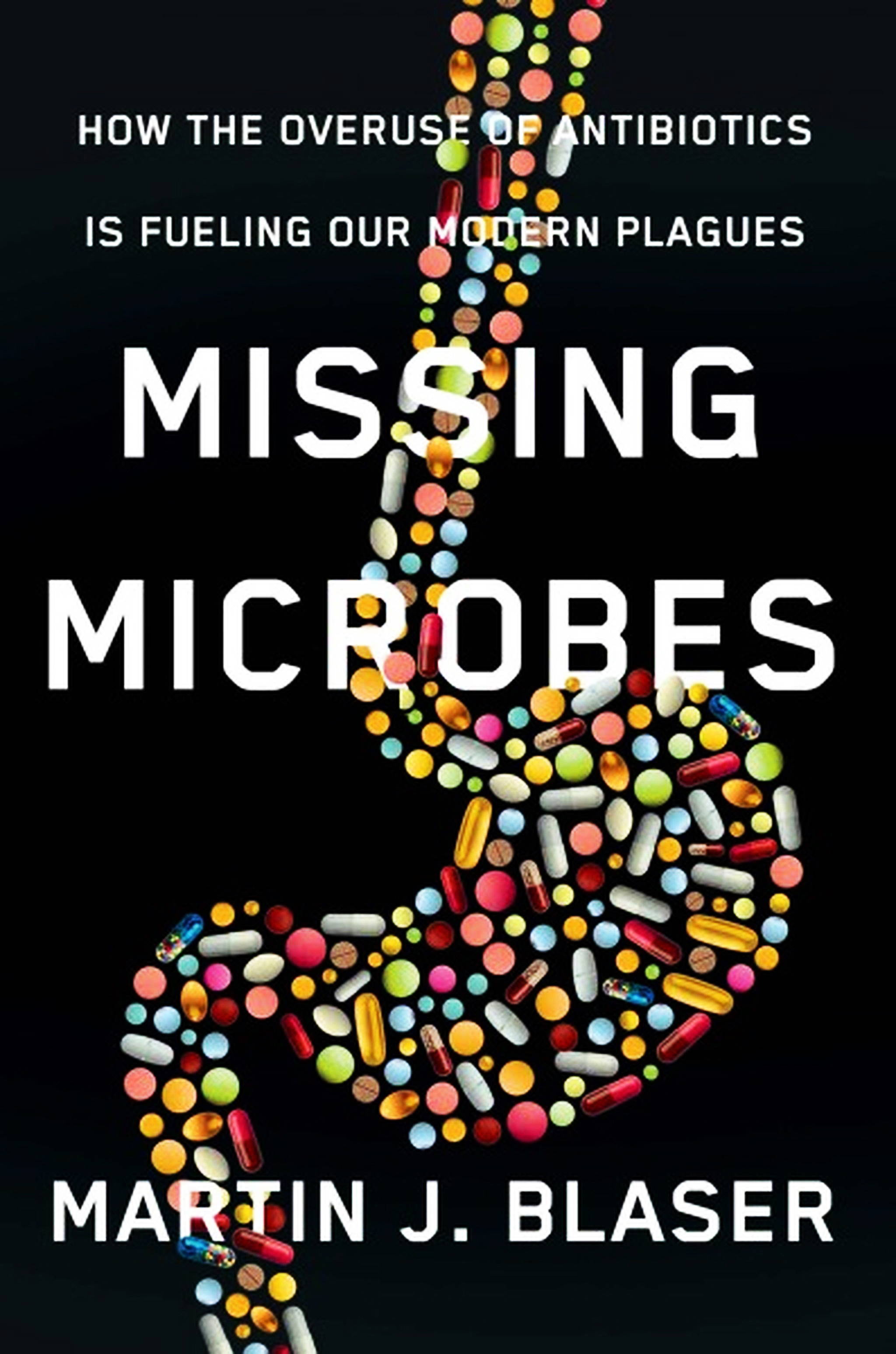
The Missing Microbe (affiliate link)
I myself have not read this book, but have had it recommended from multiple sources so it has risen on my rather long to read pile. Dr. Nagler recommended it in her lecture and The Gut Check Course I recommended above also recommended it.
The Missing Microbe (affiliate link)
I myself have not read this book, but have had it recommended from multiple sources so it has risen on my rather long to read pile. Dr. Nagler recommended it in her lecture and The Gut Check Course I recommended above also recommended it.
Dr. Nagler's Talk
She is currently working with mouse models. When they give antibiotics, not only are microbiotics eliminated, but the peanut IgE rises. So, this leads them to the question: what microbes are protecting the mice or keeping the IgE low?
In the lab, the make germ free mice and chose two broad groups of microbiotics to test: Bacteroides, which are associated with digested food, and Clostridia, which is associated with the epithelial surface. They have found that Clostridia protects against the allergic response.
But how? And how can they be used?
What they have found is that Clostridia makes the cytokine IL-22, which plays a role in regulating the epithelium. The epithelium makes a protective barrier and IL-22 regulates production of mucous, the ability of the epithelium to proliferate, and the natural antibiotics made by the body help to protect the epithelium. Basically, it helps control intestinal permeability.
So, they gave an oral food challenge to three different groups of mice: one untreated, one treated with antibiotics, one treated with antibiotics and with IL-22, and one treated with antibiotics and Clostridia. The mice treated with antibiotics had higher than normal levels of peanuts allergen in their bloodstream after a food challenge. Those levels continued to rise. But, those who were treated with IL-22 or Clostridia had the allergen blocked from their bloodstream.
She has been collaborating with a university in Italy on a study on cow's milk allergic children, both identifying if they have a different microbiome from non-allergic children (they do) and developing a formula to help them gain tolerance. When the children who used the tolerance inducing formula had their microbiome compared to those who did not, those who gained tolerance had also gained Clostridia in their microbiome.
The next step is a pre-clinical model, taking fecal material from healthy children and cow's milk allergic children and put them into germ free mice, sensitize them with cow's milk, and then introduce different candidate drugs. They have three possible drugs they will try: a Clostridia based live biotherapeutics (which is already approved for IBD), identify and test pre-biotic fibers to expand butyrate producing Clostridia in vivo, and encapsulate butyrate in nano-formulations for targeted delivery to different sites within the gut.
Questions She Answered
1. There is no probiotic on the market that has been tested for food allergies now. They are mostly based on Lactobacillus (yogurt). The best thing you can do now for your microbiome is to eat a high fiber diet.
2. Try to limit your antibiotic use: get cultures before prescriptions, don't use antibiotic soap, try to eat antibiotic free food, etc.
3. Fecal transplants are not recommended for food allergies. They have not been proven safe for this condition for a variety of reasons.
My Thoughts
Having a child who has had (but has been better since starting with Dr. Li) lifelong digestive problems, I had a personal interest in Dr. Nagler's talk. James is not currently taking any probiotics (see the answer #1 under "Questions She Answered," which was also similar to the information I learned in the Gut Check class). If he needed to take antibiotics, I would have him take probiotics for the course and for some time after.
I plan to follow this study (as well as the work of Mimi Tang) and feel very fortunate I was able to hear her speak. I will reiterate, considering the audience, I'm disappointed that none of the speakers presented currently available treatment options.
Monday, May 18, 2015
Clinical Trial vs Private Treatment #FAREcon
I had the privileged of volunteering at the FARE National Food Allergy Conference this past weekend, which allowed me to attend many fantastic presentations. Over the next few blog posts, I will summarize some of the research presented.
Out of my swirling my, one fact stood out. Dr. Baker, the CEO of FARE stated that the FDA had told DBV, the maker of the Viaskin Peanut Patch and ARC, the maker of CODIT, that they each needed studies of 8,000 people in order to get approval of their products.
8,000!
Staggering.
The LEAP Study, which was fairly widely commended for its size had 640 infants enrolled. In 2014, DBV announced results of its IIb study, "the largest clinical trial in peanut allergy desensitization ever completed" - 221 patients.
How will they ever get 8,000 patients each?
Why We Chose Private Practice
We briefly considered enrolling in a clinical trial. James qualified to be evaluated for a clinical trial for OIT to wheat at Stanford. My husband, in particular, was interested in considering this route. So, why did we decide against it?
- As I shared in my first post, we chose a different treatment. My husband, like many, had heard of OIT through the news. The trial, for us, opened the conversation, but OIT was not the right treatment for our family. I would not recommend choosing a treatment only because a trial is available.
- We would have had to travel to Stanford every other week, for two years, about a 6-7 hour drive. Unless you think no one would ever be willing to do this, you should read this article of people who did a drive of the same time for the same reason.
- The placebo. I will admit that I didn't want the risk of James being administered the placebo. We were told upfront that we would be offered what they could at the end of the trial for treatment. I don't know what that means, because I did not investigate the trial any further.
Benefits of a Clinical Trial
- You have access to some of the best medical care and minds.
- You have access to treatments and testing that aren't yet available outside of trials.
- You are helping to advance science and the community as a whole.
8,000 Patients
I have so much respect and appreciation for those families that do participate in clinical studies. Despite the perception that it is "free," because they don't pay for the medicine, the saying, "there is no free ride," certainly applies - time off for appointments, traveling, stress, emotional wear and tear. Thank you.
Labels:
#FAREcon,
allergist,
clinical trial,
food allergies,
OIT,
Stanford,
TCM,
testing
Monday, May 11, 2015
"That's No Ordinary Rabbit"
We are in Food Allergy Awareness Week. Technically, rabbits are food. However, I will not be speaking of them in that context.
Two weeks ago, a dear friend's husband had a life-threatening reaction to their pet rabbit. He had been having asthma problems which were related to the rabbit for some time. The rabbit had been relegated to the garage. Even so, this day, when he went into the garage, he had trouble breathing, used his asthma medication, found no relief, and eventually, was taken to the hospital. He was given epinephrine, Benadryl, and steroids. He left with a prescription for Epi-pens, steroids, and a refill for his inhaler, but, as is so familiar, very little instructions or directions on what to do next.
Here is my advice, having been down a similar path, somewhat generalized, for those who may walk this path again:
Avoid your Allergen
This is an emotional blow, different when you are talking about a beloved pet versus a food, but either way, those words, which seem simple on the face, are actually quite difficult. Quoting Dr. Dave Stukus, "Families told to get rid of their pets by their allergists find themselves a new allergist, not a new pet." And I know when James got his test results back, my second thought (after looking at the food) was to be relieved that he was not allergic to the dogs and cats.
Epi-Pens: Carry Them, Keep them Together
Obviously, a rabbit being easier to avoid than most allergens, it may seem like you don't need them with you always. There's a few reasons I would argue that with even a seemingly easy to avoid allergy, you always need your epi-pens with you:
- It can take months for your environment to be fully clean of the proteins from pet, even with thorough cleaning. Regarding mammalian proteins in an article about anaphylaxis from a horse allergy: "It is necessary to remember that the allergen levels decrease slowly over several months after pet removal." Gao et al, Wao Journal, Aug. 2009
- Other people own pets and allergic proteins are clingy. I, myself, have experienced going to the Urgent Care (not allergy related) only to be treated from the door way because the doctor's pet allergies were too severe to treat me. Note to self: Use tape roller before heading to Urgent Care?
- There is always the possibility that instead of the rabbit, the reaction was caused by the hay the rabbit was being fed. Grass (hay being a form of grass) is actually a more common allergy than rabbit. And a more common trigger.
Here is a link for a co-pay coupon for the Epi-pen.
See a Board-Certified Allergist
An allergist will be able to sort through the history and do the testing to determine what the allergy actually is. He will also be able to give an emergency action plan, clear for the entire family.Rodent Allergies
This is information I found specific to rodent allergies.
What information would you share for someone newly diagnosed?
Monday, April 27, 2015
Food Allergy Testing: Down the Rabbit Hole
“Have you guessed the riddle yet?” the Hatter said, turning to Alice again.“No, I give it up,” Alice replied: “What’s the answer?”“I haven’t the slightest idea,” said the Hatter”
Usually, when we go to the doctor, have a blood test, roughly a week later, we receive the results and there's a diagnosis: your cholesterol is high, you have anemia, etc. These are screening tests.
Food allergy tests, both skin and blood, are not screening tests. A positive test does not mean you are allergic. In fact, both skin and blood tests are wrong about 40-60% of the time (called a false positive). False negatives are less likely, although possible, in both tests.
The only time food allergy tests should be performed is when you are having a reaction to a food. And the only way they can be interpreted properly is in the context of your history.
“That's the reason they're called lessons," the Gryphon remarked: "because they lessen from day to day.”
So, now you have your results, and you have been given numbers, classes, wheal sizes, and the larger then numbers the more severe the allergy, right? Of course not. But, here is where the blood test numbers can come in useful (and you can eliminate some of the false positive concerns), the larger the numbers, the more likely the test is accurate. That is, the more likely you are to truly react. The likelihood that one will react is called the positive predictive value. This is from medscape here:
- Egg: In children > 2 years of age, IgE level 7 kU/L (98% PPV); in infants ≤ 2 years, IgE level 2 kU/L (95% PPV)
- Milk: IgE level 15 kU/L (95% PPV)
- Peanut:IgE level 14 kU/L (95% PPV)
- Fish: IgE level 20 kU/L (95% PPV)
- Tree nuts: IgE level 15 kU/L (95% PPV)
- Soy: IgE level 30 kU/L (73% PPV)
- Wheat: IgE level 26 kU/L (74% PPV)
And, here is the lesson, barely positive can mean an anaphylactic reaction. Negative can even result in an anaphylactic reaction (rarely). The test is meant to guide the allergist with your history in diagnosis. It is not diagnostic in an of itself.
“Why, sometimes I've believed as many as six impossible things before breakfast.”
What about IgG testing? IgG has no place in testing for allergies or intolerances. Some researchers and OIT doctors have actually begun measuring it (research wise) as a good measure, as in, as IgG rises, your ability to tolerate the food. IgG shows that you have been exposed to the food. There have been studies showing that children who out grown their milk allergies have higher IgG milk levels and that IgG levels rise throughout OIT.
“Would you tell me, please, which way I ought to go from here?""That depends a good deal on where you want to get to."
We seem to be on the cusp of the future as far as testing goes.
At Stanford, there has been news of two new tests in development. The link can explain it better than I can, but one uses a heel prick to test for 90 allergens using white blood cells. The other looks at DNA. Used together, they can also be used to determine the severity of an allergy. Now, of course, families are told to treat every allergy as potentially life threatening.
At UConn, they are also developing a food allergy test, specifically for peanut, interestingly in addition to being a food allergy test, the researchers are hoping to use the test to get a better look into the biology of a reaction.
Of course, my personal favorite, Dr. Li is developing the Basophil Activation Test (BAT). Because James's IgEs are all low, an alternate test for him, for people like him, is necessary. The idea of him undergoing another food challenge relying on a test that is, quite frankly, inadequate, is terrifying.
That said, parents are fundraising for a clinical study to help move forward Dr. Li's work on the BAT. The total is not completely updated on the page; we need slightly less than $5,000 more. If you are able to contribute anything, it would be greatly appreciated. We are trying to get the last bit raised by the end of this month.
Great news from this afternoon (April 27th) that the study has been fully funded! Thank you to everyone who has contributed and everyone who supports those with food allergies in any way.
Monday, April 13, 2015
Choosing an Allergist
Our Experiences with Allergist
Allergist (?):
I almost forgot about him, probably not the highest recommendation. We saw him when James, at 3, was diagnosed with chronic urticaria. After he diagnosed him and gave us his treatment protocol, James was followed by his pediatrician and we never saw that allergist again.
Allergist N.:
This is the allergist I think of as James's first allergist, the one that left us both scarred.
We have Kaiser, an HMO, and after James's first reaction, subsequent hospital visit and blood tests, he was referred to an allergist. After his first appointment, where the control did not react on his skin test (despite having no antihistamines for 4 days, no matter the significant look exchanged between the allergist and nurse), it was determined that James likely had a reaction to tree nuts, seeing as how he was eating hazelnuts when he reacted. A hazelnut blood test was never ordered.
James was prescribed an EpiPen® (but we were not given directions on how or when to use it) and we were told to avoid tree nuts and wheat. Not long after, because of reflux problems, soy and peanuts were added to the list to avoid.
We were asked to return in a year for a food challenge.
And we did. Because I didn't know any better. No more testing was done before the challenge (although when his hazelnut iGe was eventually run it was only 0.46, so he does appear a good candidate for a challenge on paper).
He failed his challenge on the first dose and needed an injection of epinephrine and one of steroids. And Allergist N panicked. More than anything, this scared James. If the doctor was panicking, then the situation must be dire.
I now know, a lot was wrong with how this was handled: an oral food challenge (OFC) of a food with a known serious reaction, an OFC without test results for the food, panicking (well I knew that to start). So, I started researching more about food allergies and knew we would not return to this allergist.
Allergist S.:
We saw after James's OAS reaction to melon. At the time, the urgent care had drawn blood, thought it most likely to be mango, and under the "you really can't make this stuff up file," couldn't figure out how to code testing for any of the other fruits he had eaten anyway.
I had done much more research by the point and realized that a positive blood test does not necessarily mean an allergy. I wanted to have an allergist review the situation and do the diagnosis. Only, according to Allergist S, everything except the tree nut allergy was in James's mind. Allergist N had failed to record any of the symptoms he had had during the failed food challenge, so they hadn't happened. I'm not sure why he thought Allergist N epi'ed James.
And yes, James was anxious going to see the allergist. The last time had not ended so well.
Allergist S said we should return in 5 years for re-evaluation.
Allergist L:
Darren and I were trying to decide whether to change insurance as open enrollment was approaching. He has his own health issues and had been satisfied with the care he has been getting from Kaiser. I was completely dissatisfied with the allergy department. I did find an allergist within the Kaiser system that looked promising about an hour away. To see if we could all be happy with Kaiser, I wrote James's pediatrician outlining the problems I had had so far and that if we were unable to find a qualified allergist, we would be switching insurance.
And finally, we hit the jackpot. James is definitely complicated as an allergic patient goes: low iGes, high reactivity, OAS, possibly Celiac and not a wheat allergy, history of hives. There's a lot to tease out. But Allergist L did (and continues to do) the work to determine out what is relevant and important for diagnosis and treatment.
Personal Referral
This actually didn't work for me. Maybe if it was a true personal referral, from someone I knew and knew what they expected from a doctor. This was a referral from Facebook and landed us with Allergist S. Unlike Allergist N, I am sure he is competent. He was, however, a bad fit for our family.
Do You Feel Lucky?
So, how do you find a good allergist? Is it all luck?
With Allergist L, there was a lot of luck involved. After James failed his food challenge, I knew we would not being seeing Allergist N again. I started doing a lot of research about food allergies in general. One of the places that offers amazing resources is Kids with Food Allergies, including webinars and articles. One of the articles I read was written by Allergist L. I noted in the authors biography that he was a Kaiser allergist, but he seemed to be a little far from where we lived. Nevertheless, I bookmarked the article.
After the failed visit to Allergist S, I did returned to the article and thought again about Allergist L. Kaiser gives only the most basic of information on their website about each Dr. and some of that is useful. What I was most interested in was education and population served (I was interested in a Board Certified Pediatric Allergist).
From there, I did a Google search. I was looking to see if he had done any research and what the research was on. If I had done this with Allergist S, I would have found that he had one research paper on asthma. Allergist N had one paper on pneumonia. Allergist L has done research (and continues to do so) on food allergies. As James has no lung involvement, he needs an allergist that specializes in food allergies.
In general, I don't think it's necessary to eliminate doctors solely on their lack of research, because I'm sure many fine doctors focus on their treatment of patients alone. However, because of the system Kaiser has set up, making it difficult to get information on their doctors, and because, in general, a doctor conducting research is also going to be following the current research, I found this effective.
Finally, I was willing to drive. I live in an area surrounded by better places. If I were a highly qualified doctor, I would rather be by the beach than the desert - and most of them have that choice.
I went into our first appointment like an interview, as opposed to Allergist N, where I went in as a patient. And I think this is important. Realize that you can find an allergist for your family; it may take a little legwork, and a little luck.
Subscribe to:
Posts (Atom)